



✨ AI Summary
- The gaming industry is undergoing a transformative shift towards Web3 gaming, empowering players with ownership and autonomy through blockchain technology.
- Triumph Games leads this innovation, offering a groundbreaking Web3 game design that merges gameplay, economics, and technology.
- Key features include NFT-based ownership, tokenized assets, and decentralized economies.
- Antier plays a crucial role in powering Triumph's technical architecture.
- This evolution not only enhances gameplay but also creates new monetization avenues for players and investors.
The gaming industry is experiencing a seismic shift, transitioning from centralized ecosystems to Web3 gaming — a paradigm that empowers players with verifiable ownership, transparency, and economic autonomy. Unlike traditional gaming, where in-game assets remain locked within publisher-controlled environments, Web3 gaming leverages blockchain to redefine how players interact with digital worlds.
This evolution marks the beginning of true digital ownership, where every skin, weapon, collectible, and currency exists as a blockchain-backed asset. With this foundation, players not only participate but also become stakeholders in decentralized gaming economies. As this movement gains momentum, one project stands at the forefront of innovation — Triumph Games, a studio redefining what digital ownership means in the gaming metaverse.
Diving into the Triumph Games’ Innovation
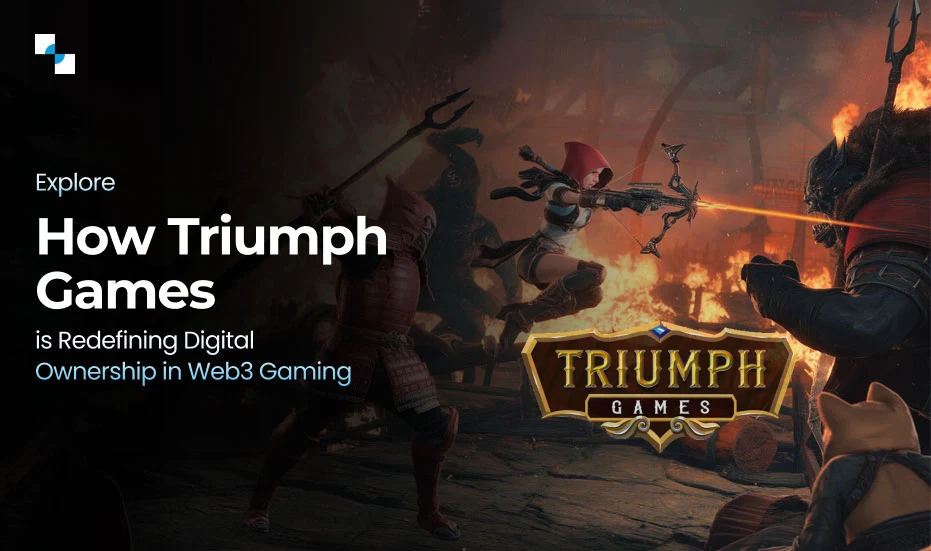
Triumph Games has introduced a world-first Web3 game design that bridges gameplay, economics, and technology like never before. Their model blends immersive storytelling, interoperable assets, and transparent on-chain mechanics to create a fully player-driven ecosystem.
At its core, Triumph’s ecosystem allows every in-game element — characters, items, environments, and currencies — to exist as unique NFTs and tokens, ensuring authenticity and tradeability. The design also supports cross-game interoperability, enabling assets earned in one Triumph title to retain value and function across others, extending utility beyond a single experience.
Key innovations include:
- Blockchain-Native Architecture: Built entirely on a decentralized infrastructure, ensuring transparency and security.
- Player-Driven Economy: Assets and currencies are governed by players, not developers, promoting economic fairness.
- Dynamic Asset Creation: AI-powered tools enable the community to create, mint, and monetize in-game items.
- Integrated Marketplaces: Seamless NFT marketplaces built within the game interface enable instant buying, selling, and trading.
Through this groundbreaking Web3 game development framework, Triumph Games is proving that blockchain isn’t just a backend feature — it’s the foundation of a new gaming era.
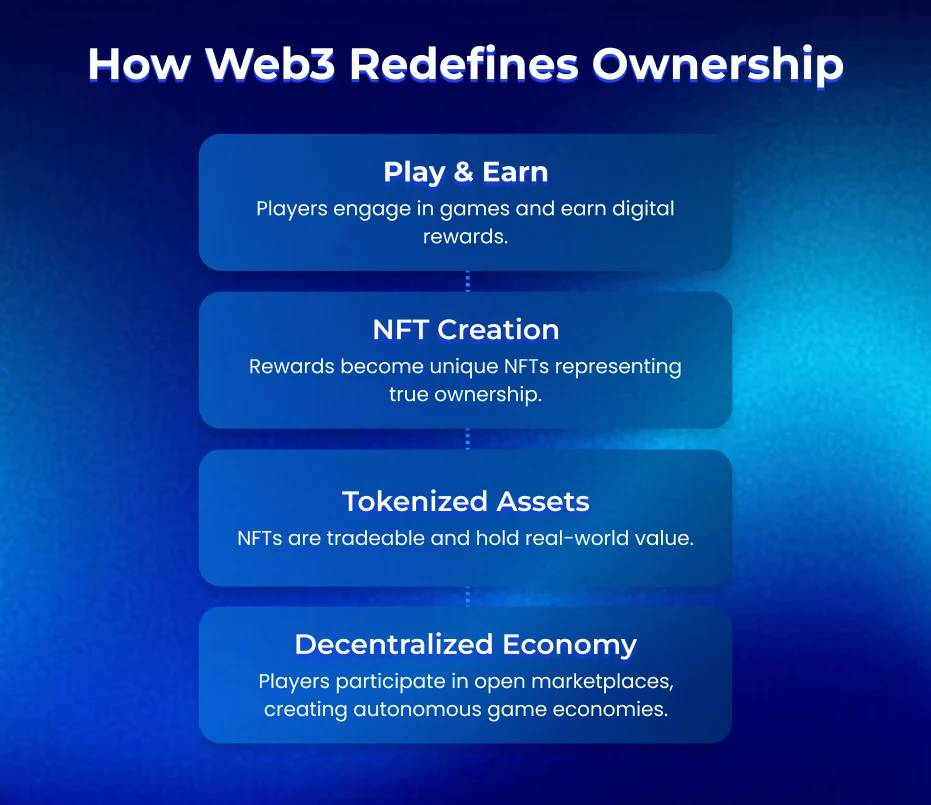
One of the defining characteristics of Web3 gaming is its ability to convert digital participation into tangible value through blockchain technology. Triumph Games embodies this transformation through three fundamental pillars:
A. NFTs as Proof of Ownership
In Triumph’s ecosystem, Non-Fungible Tokens (NFTs) authenticate digital ownership. Each player-owned asset — from characters to collectibles — is minted as an NFT on-chain, ensuring transparency and immutability. Players can trade or transfer assets freely, eliminating the restrictions imposed by traditional gaming platforms.
B. Tokenized Game Assets
Beyond NFTs, Triumph utilizes fungible tokens to represent in-game currencies and utility assets. These tokens facilitate decentralized economies where players earn, stake, and exchange assets for real-world value. The interoperability of these tokens extends across games, opening opportunities for asset migration and value preservation.
C. Decentralized Economies
Unlike centralized studios that control asset supply and pricing, Triumph’s Web3 game development model distributes power among its community. Governance tokens allow players to influence updates, vote on game economics, and co-create content. This decentralized approach fosters inclusivity, sustainability, and transparency — core principles of the Web3 movement.
Experience the Future of Digital Ownership – Triumph Games x Antier
Role of Antier in Development: Powering Triumph’s Technical Architecture and Scalability
Behind Triumph Games’ world-first Web3 framework lies the expertise of Antier, a global leader in blockchain and Web3 game development. Antier played a pivotal role in conceptualizing, designing, and deploying the game’s decentralized architecture that seamlessly merges gameplay with blockchain infrastructure.
Antier’s contributions include:
- Blockchain Integration: Deploying scalable smart contracts for NFTs, tokens, and DeFi-enabled game mechanics.
- Cross-Chain Interoperability: Building bridges between Ethereum, Polygon, and BNB Chain to support asset movement.
- Secure Wallet Systems: Implementing non-custodial wallets that allow players to securely manage their digital holdings.
- Scalable Backend Architecture: Leveraging distributed nodes and cloud infrastructure for high-performance gameplay without compromising decentralization.
- Tokenomics Design: Crafting a balanced in-game economy that promotes long-term engagement and value circulation.
Antier’s full-stack expertise ensured that Triumph’s Web3 ecosystem delivers real-time performance while maintaining blockchain integrity. This collaboration exemplifies how a visionary game studio and a seasoned Web3 development partner can co-create the blueprint for the future of gaming.
Impact on Players and Investors: Monetization, Trading, and Community Empowerment
The shift toward Web3 gaming is not only transforming gameplay but also revolutionizing the economics of engagement. Triumph Games has unlocked a dual-benefit model for both players and investors, where entertainment meets investment potential.
For Players:
- Monetization Through Gameplay: Gamers can earn native tokens and NFTs through missions, challenges, and achievements.
- True Asset Ownership: Unlike rented assets in Web2 games, Triumph ensures perpetual ownership secured on blockchain.
- Interoperable Ecosystems: Assets retain functionality across different games, enhancing utility and engagement.
For Investors:
- New Revenue Streams: NFT marketplaces, staking systems, and tokenized assets open avenues for recurring income.
- Transparent Asset Value: On-chain transparency enables real-time asset valuation and price tracking.
- Community-Governed Projects: DAO-driven governance allows investors to participate in project decisions and ecosystem scaling.
This synergy between entertainment and economics is positioning Triumph Games as a benchmark in the Web3 gaming space — a model where participation translates into prosperity.
Future Outlook: The Evolution of Digital Ownership in Web3 Gaming
As blockchain adoption matures, Web3 game development is expected to evolve toward even greater interoperability, user autonomy, and economic fluidity. The trajectory suggests:
- Metaverse Integration: Web3 games will interconnect through open metaverses, creating shared digital economies.
- AI-Driven Asset Creation: Generative AI will enable players to design NFTs and assets customized to their gameplay.
- Regulated GameFi Models: Regulatory frameworks will add trust and mainstream appeal to decentralized gaming.
- Cross-Platform Economies: Assets will move fluidly between games, marketplaces, and metaverse experiences.
Triumph Games, with its foundational Web3-first model, is well-positioned to lead this evolution. By enabling players to own, trade, and shape their digital universes, Triumph symbolizes the shift from passive gameplay to participatory ownership.
Triumph Games’ world-first Web3 design isn’t just a technological milestone — it’s a vision of the decentralized future where every gamer becomes an owner, creator, and investor. By merging gameplay with blockchain, NFTs, and tokenized economies, Triumph has set a new standard for Web3 gaming innovation.
The driving force behind this revolution, Antier, continues to empower game studios with end-to-end Web3 game development services — from concept design and tokenomics to blockchain integration and scalable deployment.
As the boundaries between gaming, investment, and ownership blur, the time to build in Web3 is now.
Frequently Asked Questions
01. How does Triumph Games redefine digital ownership in Web3 gaming?
Triumph Games uses blockchain-native architecture where every character, item, and currency exists as NFTs or tokens. Players can trade, monetize, and use these assets across games, creating a player-driven economy.
02. How are in-game currencies tokenized in Triumph Games?
Triumph integrates fungible tokens for in-game currencies and utility assets. These tokens enable staking, trading, and cross-game interoperability, converting gameplay into real-world value.
03. What is the future outlook of Web3 gaming and digital ownership?
Web3 gaming will evolve toward metaverse integration, AI-driven asset creation, cross-platform economies, and regulated GameFi models, creating fully autonomous, player-owned digital universes.