




AI Summary
- In 2026, Roblox has evolved beyond gaming into a persistent digital environment fostering social interaction and continuous engagement, making it a crucial platform for businesses.
- Unlike traditional digital assets, Roblox offers persistent, evolving systems that support long-term engagement and scalable growth.
- The platform's unique features include continuous engagement, social interaction driving retention, lower audience acquisition barriers, innovative monetization methods, and future-ready infrastructure.
- Businesses transitioning from game-centric to platform-centric strategies can achieve continuous growth and sustained user engagement.
- Building a scalable Roblox platform involves careful planning across experience architecture, identity and personalization, real-time interaction systems, monetization, data analytics, scalability, and security.
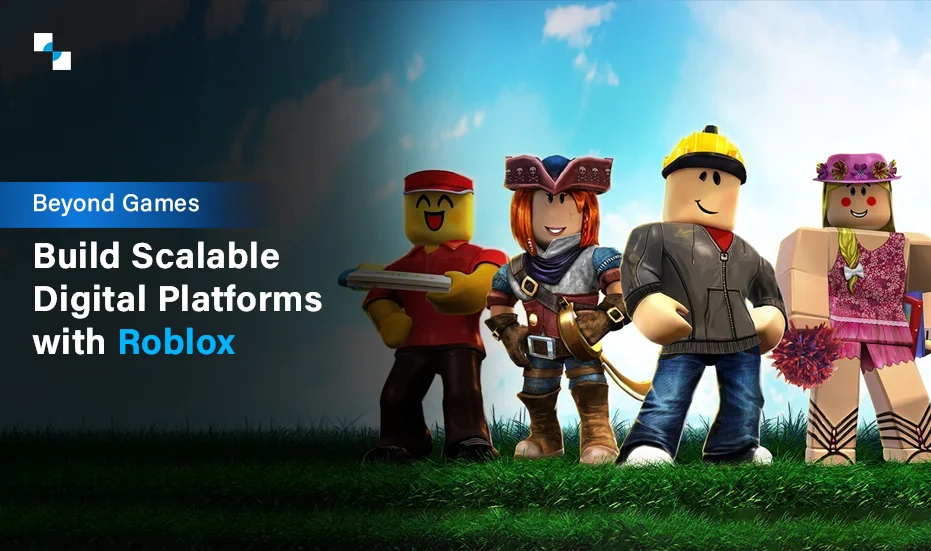
For years, Roblox has been associated primarily with gaming. However, in 2026, its role has expanded far beyond entertainment. It is now emerging as a persistent digital environment where users spend time, interact socially, and engage with content in a far more immersive way than traditional platforms allow.
This shift is critical for businesses to understand.
Unlike websites or mobile apps, which are often transactional or informational, Roblox enables continuous engagement. Users don’t simply visit, they return, interact, and participate. This fundamentally changes how brands can approach digital presence.
As a result, companies are no longer investing in Roblox just to “launch a game.” Instead, they are leveraging Roblox game development to build scalable digital platforms that evolve with their audience, support long-term engagement, and unlock new growth opportunities.
Understanding Roblox as a Platform, Not a Product
To fully grasp its business potential, Roblox must be viewed as a platform layer, not a one-time product.
Traditional digital assets, such as websites or apps serve specific purposes. They are built, launched, and periodically updated. In contrast, Roblox environments are persistent, evolving systems designed to grow over time.
What Defines a Platform-Led Roblox Experience?
- Persistence
The experience continues to exist and evolve even when users log off, allowing businesses to introduce updates, events, and features over time. - User Participation
Users are not passive viewers. They actively engage, explore, and contribute to the experience. - Scalability
The platform can support increasing users, content, and functionalities without needing a complete rebuild. - Community Layer
Interaction between users creates a sense of belonging, which drives long-term retention.
This is what separates a game from a scalable digital platform.
Why Businesses Are Moving Toward Roblox Platforms
The growing interest in Roblox is not driven by hype, it is driven by structural advantages that traditional digital channels lack.
1. Continuous Engagement Instead of One-Time Interaction
Most digital platforms operate on a visit-based model. Users come, complete an action, and leave. Roblox changes this dynamic.
Users tend to:
- Spend extended periods within experiences
- Return frequently
- Engage with both content and other users
This creates compounding engagement, where value increases over time rather than resetting with each visit.
2. Built-In Social Interaction Drives Retention
Unlike websites or apps, Roblox is inherently social. Users interact through avatars, chat systems, and shared experiences.
This has two major implications for businesses:
- Engagement becomes community-driven, not brand-driven
- Retention increases because users return for social reasons, not just content
This significantly improves long-term platform performance.
3. Lower Barrier to Audience Acquisition
Acquiring users through traditional channels often requires:
- Paid advertising
- SEO efforts
- Long-term brand building
Roblox offers access to existing, active user ecosystems, reducing the need to build an audience from scratch.
4. Expansion of Digital Business Models
Roblox enables monetization methods that go beyond traditional models:
- Virtual goods and assets
- Premium experiences
- In-platform economies
These models allow businesses to:
- Diversify revenue streams
- Experiment with pricing strategies
- Create digital-first offerings
5. Future-Ready Digital Infrastructure
Roblox is continuously evolving, integrating:
- Immersive technologies
- Creator-driven ecosystems
- Scalable digital economies
Businesses investing today are effectively building future-ready digital infrastructure.
From Game Development to Platform Strategy
One of the most important mindset shifts for businesses is moving from “game development” to “platform strategy.”
Key Differences
| Factor | Game-Centric Approach | Platform-Centric Approach |
|---|---|---|
| Objective | Launch a game | Build a scalable ecosystem |
| Engagement | Short-term | Virtual stores, immersive shopping experiences |
| Updates | Occasional | Continuous |
| User Role | Player | Participant |
| Value Creation | Fixed | Expanding |
A game-centric approach often leads to:
- Short lifecycle
- Limited scalability
- Declining engagement over time
A platform-centric approach, on the other hand, enables:
- Continuous growth
- Evolving experiences
- Sustained user engagement
Want to Build Your Future-Ready Roblox Platform?
Core Components of Scalable Roblox Platforms
Building a scalable Roblox platform requires careful planning across multiple layers.
1. Experience Architecture
The platform must be designed in a way that allows:
- Modular updates
- Expansion of features
- Introduction of new content
This ensures the platform remains relevant over time.
2. Identity and Personalization
User identity plays a critical role in engagement. Features such as avatars, customization, and progression systems help create a sense of ownership and belonging.
3. Real-Time Interaction Systems
Seamless multiplayer interaction is essential. This includes:
- Communication systems
- Collaborative environments
- Shared experiences
These elements transform individual engagement into collective participation.
4. Monetization Layer
A well-structured monetization framework includes:
- Virtual goods
- Premium access
- In-experience purchases
The goal is to integrate monetization naturally without disrupting the user experience.
5. Data and Analytics
Understanding user behavior is critical for optimization. Analytics help businesses:
- Identify engagement patterns
- Improve experience design
- Make data-driven decisions
6. Scalability and Security
As the platform grows, it must:
- Handle increased traffic
- Ensure data protection
- Maintain performance stability
Technology Stack Behind Roblox Development
The appropriate tech stack enables Roblox developers to create interactive, scalable, and high-performance environments.
| Layer | Technologies |
|---|---|
| Engine | Roblox Studio |
| Programming | Lua scripting |
| UI/UX | Native Roblox frameworks |
| Backend | Cloud-based infrastructure |
| Analytics | In-platform tracking tools |
Cost Considerations for Roblox Game Development
The cost of building a Roblox platform varies based on complexity and scale.
Estimated Cost Range
- Basic Experience – $10,000 – $40,000
- Mid-Level Platform – $40,000 – $100,000
- Advanced Ecosystem – $100,000+
Key Cost Drivers
- Design complexity
- Feature depth
- Level of interactivity
- Scalability requirements
Businesses should view this as an investment in long-term digital infrastructure, not a one-time expense.
Why Partner with a Roblox Game Development Company
A professional Roblox game development company like Antier provides:
- Strategic guidance aligned with business objectives
- Technical expertise across development and scalability
- Efficient execution with reduced delays
- Ongoing support for updates and optimization
This, in turn, ensures the platform is built not just for launch but for long-term success.
Future Outlook: Roblox as a Digital Infrastructure Layer
Roblox is moving toward becoming:
- A social platform
- A creator economy hub
- A digital infrastructure layer
Businesses that recognize this shift early can:
- Build scalable ecosystems
- Create long-term engagement
- Establish a strong digital presence
Conclusion: Build Platforms, Not Just Games
Roblox game development is no longer just about building games, it’s about building scalable digital platforms and becoming a foundational layer for digital interaction. Businesses that adopt a platform-first mindset can:
- Engage users continuously
- Scale their digital presence
- Unlock new growth opportunities
The opportunity is not in building a game. It is in building a digital ecosystem that evolves with your users. Work with Antier, a professional Roblox game development studio for brands to ensure end-to-end execution, faster delivery, and reduced risk.
Frequently Asked Questions
01. How has Roblox evolved beyond gaming in 2026?
In 2026, Roblox has transformed into a persistent digital environment where users engage socially and interact with content in a more immersive way, moving beyond its traditional gaming association.
02. Why should businesses view Roblox as a platform rather than a product?
Businesses should view Roblox as a platform because it offers continuous engagement, scalability, and user participation, allowing for long-term growth and evolution rather than a one-time product launch.
03. What are the key advantages of using Roblox for business engagement?
The key advantages include continuous user engagement, the ability to introduce updates and events over time, scalability to support growing user bases, and fostering a community layer that enhances user retention.