




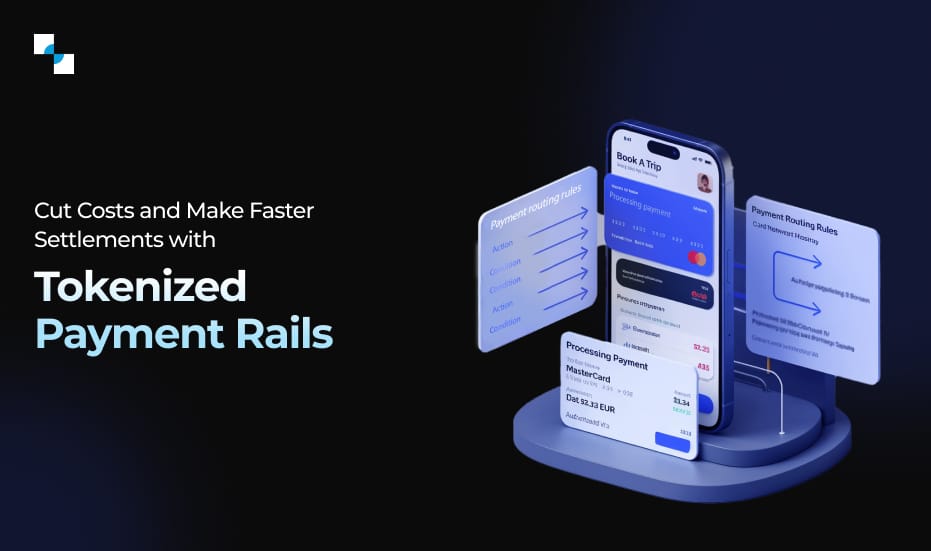

Entrepreneurs eyeing opportunities in blockchain see RWA tokenization as a way to transform assets like real estate, bonds, and commodities into digital tokens. These tokenized real-world assets move seamlessly through payment rails for RWA, the networks that transfer value. For businesses aiming to develop real-world asset tokenization platforms, RWA tokenization offers unmatched advantages. By partnering with an RWA tokenization development company, firms can create systems that redefine finance. This article explores how RWA tokenization enhances payment rails, detailing business benefits, use cases, industry insights, and technical capabilities to inspire platform creation.
Understanding Payment Rails for RWA
Payment rails in real-world asset tokenization are the systems and protocols that move money between participants. They cover everything from fiat on-ramps that let an investor swap dollar for tokens, to blockchain networks that handle instant settlement of tokenized trades across borders. Without these rails, the entire RWA market would stall, and investors wouldn’t be able to buy, sell, or settle efficiently.
Traditional rails like bank wires, SWIFT, and ACH are still critical, especially for compliance and large institutional flows. But they’re slow and costly. On the other hand, blockchain-based payment infrastructure brings speed, transparency, and 24/7 availability.
Why They Matter in Tokenization
Tokenizing real-world assets turns illiquid assets like real estate, invoices, or debt pools into digital tokens. Payment rails are what make that tokenization usable. For example:
- Fiat on-ramps let an investor deposit cash and instantly receive tokenized shares of a building.
- Blockchain rails settle cross-border payments in seconds, eliminating the multi-day delays of correspondent banking.
- Smart contracts plug directly into these rails to automate payouts like coupon payments or rental income distributions, cutting costs and manual errors.
By 2025, the global RWA tokenization market is pegged at around $25 billion, and its growth is tied directly to how efficient these payment rails have become. Settlement times that once took days are now compressed to seconds.
Build RWA Tokenization Platform with Advanced Blockchain Payment rails!
How RWA Tokenization Enhances Payment Rails for RWA
RWA tokenization upgrades payment rails for RWA by addressing inefficiencies in traditional finance. It automates processes, enhances security, and expands market reach, making platforms lucrative ventures.
1. Speeding Up Transactions
RWA tokenization enables on-chain settlement, finalizing trades in seconds. Smart contracts automate payouts like dividends, slashing processing times. This speed transforms cross-border payments for tokenized assets, reducing delays from days to moments.
2. Strengthening Security
By replacing sensitive data with tokens, RWA tokenization secures payment rails for RWA. Blockchain’s immutable ledgers track every transfer, preventing fraud. Compliance is embedded in smart contracts, meeting anti-money laundering and know-your-customer rules automatically.
3. Expanding Global Access
RWA tokenization makes tokenized real-world assets fractional, allowing small investors to buy shares of high-value assets. Fiat on-ramps for tokenization convert cash to tokens, while blockchain rails enable instant cross-border payments for tokenized assets, opening markets in underserved regions.
4. Reducing Operational Costs
Automation through blockchain payment infrastructure cuts intermediary fees. Platforms save on cross-border payments for tokenized assets, boosting profitability for businesses.
Types of Payment Rails Enhanced by RWA Tokenization
Different types of payment rails support RWA tokenization, each gaining from its capabilities.
1. Traditional Fiat Rails
ACH and wire transfers serve as fiat on-ramps for tokenization, linking bank accounts to tokens. RWA tokenization speeds up final settlements by pairing these with blockchain payment infrastructure, ensuring compliance and efficiency.
2. Blockchain-Based Rails
Stablecoins like USDC enable 24/7 on-chain settlement for tokenized real-world assets. Central bank digital currencies add regulatory trust, ideal for cross-border payments for tokenized assets.
3. Real-Time Payment Systems
Networks like RTP deliver instant fiat transfers, aligning with blockchain’s pace. RWA tokenization enhances these for seamless fiat on-ramps for tokenization, attracting users who value speed.
4. Card Networks
Visa and Mastercard support retail investors buying tokenized real-world assets. RWA tokenization secures these rails, improving transaction approvals.
Business Benefits of Building Real-World Asset Tokenization Platforms
Developing real-world asset tokenization platforms with enhanced payment rails for RWA offers compelling advantages for businesses.
- Increased Revenue Streams: Platforms charge fees for trading tokenized real-world assets, tapping into a $25 billion market in 2025.
- Global Market Reach: Cross-border payments for tokenized assets enable platforms to serve users worldwide, expanding customer bases.
- Cost Efficiency: Blockchain payment infrastructure reduces transaction costs, improving margins for platform operators.
- Scalable Operations: RWA tokenization automates processes, allowing platforms to handle growing volumes without added overhead.
- Enhanced User Trust: Secure payment rails for RWA build confidence, attracting institutional and retail investors.
- Competitive Edge: Fast on-chain settlement and fiat on-ramps for tokenization make platforms stand out in crowded markets.
Use Cases Driving Real-World Asset Tokenization Platform Development
RWA tokenization powers diverse applications, showcasing the potential of real-world asset tokenization platforms.
Real Estate
Platforms tokenize properties, enabling fractional ownership. Investors trade shares via payment rails for RWA, with on-chain settlement ensuring quick transfers.
Bonds and Securities
Tokenized real-world assets like bonds settle instantly, reducing counterparty risks. Platforms attract institutions with efficient blockchain payment infrastructure.
Commodities and Art
RWA tokenization creates liquid markets for gold or paintings. Cross-border payments for tokenized assets enable global trading, boosting platform usage.
Trade Finance
In regions like the Asia Pacific, tokenized invoices streamline payments. Platforms use fiat on-ramps for tokenization to fund supply chains, drawing corporate clients.
RWA Tokenization: Industry Insights for 2025
The RWA tokenization market thrives, with private credit leading to tokenized real-world assets. Businesses see a $950 trillion opportunity as RWA tokenization merges traditional and decentralized finance. Hong Kong’s regulatory clarity fuels platform growth, while global demand for cross-border payments for tokenized assets rises.
Technical Capabilities for Real-World Asset Tokenization Platforms
Building platforms requires robust features, enabled by RWA tokenization and payment rails for RWA.
- Asset Onboarding: Platforms simplify token creation, supporting diverse assets like equities or real estate.
- Token Standards: Standards like ERC-1400, ERC-3643 ensure compliance and transferability for tokenized real-world assets.
- Interoperability: Cross-chain bridges enable seamless moves across networks, enhancing blockchain payment infrastructure.
- Oracles and Wallets: Oracles provide real-time data for accurate pricing, while wallets integrate fiat on-ramps for tokenization.
- Scalability: Layer 2 solutions handle high volumes, ensuring platforms scale with demand.
Launch Tokenization Platforms with Secure, Compliant, and Scalable Payment Rails!
Overcoming Challenges in Platform Development
Regulatory differences across regions require adaptable payment rails for RWA. Security audits protect against vulnerabilities, while RWA tokenization services guide compliance.
Role of RWA Tokenization Development Companies
An RWA tokenization development company designs custom platforms, integrating types of payment rails for seamless operations. RWA tokenization services handle asset selection, token minting, and rail setup, ensuring scalability and user focus.
Takeaway
By 2030, RWA tokenization will dominate finance, with enhanced payment rails for delivering speed, security, and global reach. Platforms that launch now capture early market share, leveraging blockchain payment infrastructure for growth.
Partner with an RWA tokenization development company to create a platform that leads the future of finance.