




AI Summary
- The blog post discusses how custom token development is revolutionizing cryptocurrency wallets, transforming them into thriving ecosystems by introducing native tokens.
- These tokens enhance user engagement, liquidity, governance, and revenue streams within the wallet ecosystems.
- By utilizing custom tokens, wallet projects can offer rewards, reduce transaction fees, provide exclusive access, and enable governance participation, fostering long-term user retention and community growth.
- The post highlights the core benefits of custom token development for wallet projects, including enhanced user engagement, liquidity generation, cross-chain flexibility, governance participation, and revenue diversification.
- It also outlines the process of integrating tokens into wallet infrastructure, showcasing examples of wallets strengthened by crypto token development.
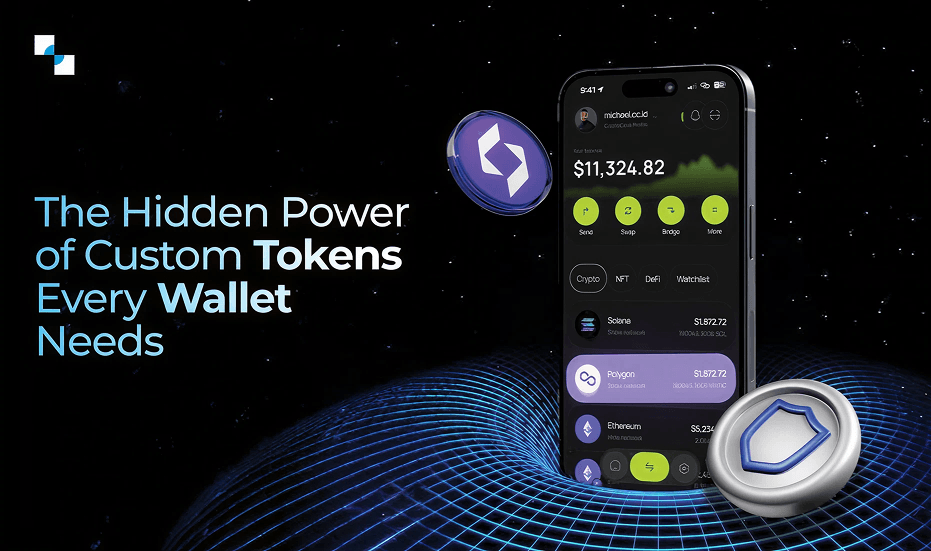
The competition among cryptocurrency wallets is intensifying, and features alone are no longer enough to differentiate them. What’s setting the new wave of wallet projects apart is custom token development, the strategic move that turns ordinary wallets into thriving ecosystems.
In 2025, wallets are evolving from simple storage tools into complete financial ecosystems where users can earn, stake, and participate in governance. Tokens are at the heart of this transformation, enabling projects to build loyalty programs, reduce transaction costs, and introduce sustainable revenue streams. By working with a crypto token development company, wallet founders can integrate native assets that boost user engagement, liquidity, and community ownership. These tokens not only enhance wallet functionality but also create self-sustaining economies that keep users coming back.
In this blog, we’ll explore how custom token development strengthens wallet ecosystems, improves user retention, and drives long-term scalability for forward-looking Web3 projects.
Why Custom Token Development is Transforming Wallet Utility?
The growing complexity of Web3 has turned wallets into more than just storage tools. They now serve as gateways to entire decentralized ecosystems, enabling users to manage DeFi portfolios, NFT assets, and multi-chain transactions with ease. However, what truly separates a basic wallet from a full-fledged ecosystem is utility, and that’s precisely where custom token development makes an impact.

By introducing native or ecosystem-specific tokens, wallet providers can transform their platforms into thriving digital economies. These tokens inject liquidity, boost user engagement, and create new value layers for both developers and users. When implemented strategically, they serve as the engine that powers community growth, retention, and monetization.
A custom token can serve multiple functions within a wallet ecosystem:
- Loyalty and Rewards: Users can earn tokens for completing actions such as staking, referrals, or consistent usage, which fosters long-term retention.
- Governance Rights: Tokens can provide voting power, enabling users to influence upcoming wallet upgrades, community incentives, or protocol integrations.
- Fee Reduction: Native wallet tokens offer a 10–25% reduction in transaction fees when used for payments. This not only makes on-chain activity more affordable but also motivates users to hold and utilize the native asset.
- Exclusive Access: Certain premium wallet features or DeFi integrations can be unlocked using tokens, giving users tangible benefits for participation.
Custom token development transforms wallets from passive interfaces into interactive, value-generating ecosystems. As users increasingly seek lower costs, better rewards, and deeper integration with DeFi, tokenized wallets will define the next phase of digital finance innovation.
Core Benefits of Custom Token Development for Wallet Project
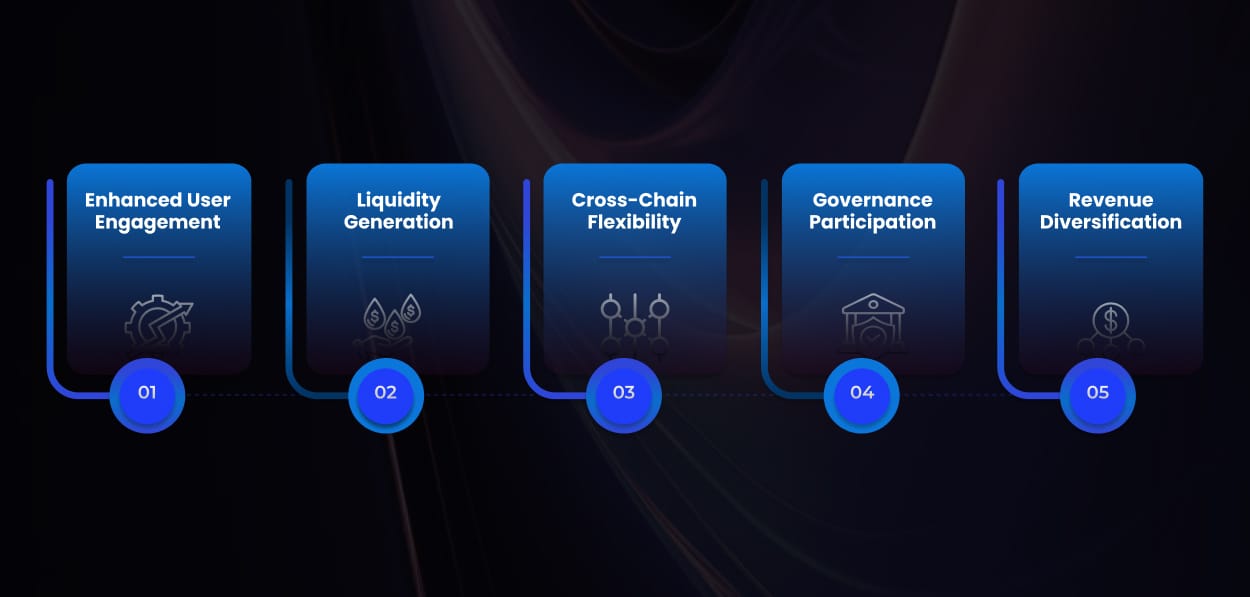
- Enhanced User Engagement
Custom token development enables wallet projects to create dynamic reward ecosystems that foster long-term user engagement. Through incentive-based models, users can earn native tokens by completing actions such as staking, referrals, and transactions across integrated dApps. This gamified experience not only boosts engagement but also enhances loyalty within the wallet ecosystem.
- Liquidity Generation
Native tokens serve as powerful liquidity drivers within decentralized ecosystems. They can be traded, staked, or pooled across partner protocols, ensuring continuous on-chain activity. As liquidity grows, so does user confidence and the overall valuation of the wallet project, a key advantage for businesses seeking scalable token economics.
- Cross-Chain Flexibility
Professionally executed crypto token development enables multi-chain interoperability, allowing tokens to function seamlessly across leading networks such as Ethereum, Solana, BNB Chain, and Polygon. This cross-chain flexibility helps wallets expand their ecosystem reach, attract new users, and maintain relevance in an increasingly multi-network Web3 landscape.
- Governance Participation
Native tokens introduce decentralized governance within wallet ecosystems, giving users the right to vote on upcoming upgrades, partnerships, or feature rollouts. This participatory model transforms wallets into community-led platforms, fostering greater transparency, trust, and user retention over time.
- Revenue Diversification
Tokenized wallets unlock new revenue opportunities beyond transaction fees. Projects can introduce tiered memberships, staking-based rewards, or subscription features powered by native tokens. Some even integrate DeFi utilities like lending and yield farming, enabling sustainable, ecosystem-driven monetization.
Explore Custom Token Development Solutions for Your Wallet Project.
How a Crypto Token Development Company Integrates Tokens Into Wallet Infrastructure
- Defining Token Utility and Standards
The process begins with defining the token’s utility, role, and interoperability across blockchain networks. Whether it’s an ERC-20 token for Ethereum or an SPL token for Solana, the right technical standard ensures smooth wallet compatibility. At this stage, developers also design the token’s smart contract architecture, defining how it interacts with staking modules, swap engines, and reward systems, all of which elevate user experience and wallet functionality.
- Smart Contract Deployment and Testing
Once the framework is ready, developers focus on deploying and testing smart contracts. Using advanced frameworks like Hardhat or Truffle, they verify functions related to minting, transfers, and burns. This stage ensures that tokens behave predictably across multiple environments and remain secure during wallet operations. A token development company also performs audits to eliminate vulnerabilities, improving the token’s reliability in real-world use cases such as payments, governance, and DeFi participation.
- Wallet Integration and API Layer
After successful testing, the next step is API-level integration. Through APIs, the wallet communicates with the blockchain to display balances, transaction history, and staking options in real time. Developers connect tokens to wallet functions like gas fee optimization, liquidity management, and cross-chain transfers. A professional team specializing in cryptocurrency development ensures that token data syncs seamlessly across mobile and web interfaces without latency or data mismatch.
- Tokenomics and Ecosystem Enablement
The integration is only complete when the tokenomics model is embedded within the wallet’s ecosystem. This includes defining fee discounts, staking rewards, and loyalty mechanisms that drive long-term adoption. Wallets that implement well-structured tokenomics often report higher retention rates and user engagement. For example, native wallet tokens can reduce transaction fees by 10–25%, motivating users to utilize the native asset for regular transactions and governance activities.
- Continuous Updates and Governance Synchronization
Finally, developers ensure ongoing compatibility with blockchain upgrades, EVM changes, and governance rules. Through real-time monitoring and updates, tokens stay functional even when the underlying protocol evolves. Integration experts from a crypto token development team use monitoring tools and automated scripts to ensure the wallet remains secure, scalable, and compliant with regulatory frameworks.
Request a Free Wallet-Token Integration Consultation Today.
Examples of Wallets Strengthened by Crypto Token Development
Several wallet ecosystems have already demonstrated how tokens can become the lifeblood of user engagement.
- Trust Wallet Token (TWT): Used to reward users and encourage participation in the wallet’s community programs.
- SafePal Token (SFP): Powers rewards, governance, and special access to features within the SafePal ecosystem.
- MetaMask’s upcoming native token: Expected to introduce fee-sharing and voting models that enhance community governance.
These cases show that tokenization is not a temporary trend but an essential part of wallet innovation. When wallets integrate tokens thoughtfully, they transform into ecosystems that grow in both value and functionality.
Such evolution is achievable when wallet founders collaborate with teams that specialize in development, ensuring technical excellence, scalability, and regulatory readiness. By working with an experienced token development company, projects can craft secure, compliant, and utility-driven assets that elevate user experience while maximizing wallet ecosystem growth.
Wrapping Up
Custom token development is not just a technical upgrade. It represents a shift toward building wallet ecosystems that reward, empower, and retain users. By turning wallets into self-sustaining digital economies, tokens unlock new business models and create long-term engagement opportunities that go beyond simple transactions. For wallet projects aiming to expand globally, tokenization offers a clear path to differentiation and financial resilience. The key lies in combining visionary ideas with expert token development and secure blockchain infrastructure.
If you are planning to create a wallet ecosystem that stands out in Web3, now is the time to explore custom token development with a trusted partner. Collaborate with an experienced token development company that can help you design, deploy, and scale a tokenized wallet ecosystem that delivers real-world impact.
Build your wallet’s future today with Antier, a global leader in blockchain innovation and token development solutions. Let’s discuss your token-powered wallet ecosystem and take your project to the next level.
Frequently Asked Questions
01. How is custom token development changing the functionality of cryptocurrency wallets?
Custom token development is transforming cryptocurrency wallets from simple storage tools into complete financial ecosystems, allowing users to earn, stake, and participate in governance, thereby enhancing wallet functionality and user engagement.
02. What benefits do native tokens provide within a wallet ecosystem?
Native tokens enhance wallet ecosystems by injecting liquidity, boosting user engagement, and creating loyalty programs, governance rights, and fee reductions, which foster community growth and retention.
03. Why are wallets considered gateways to decentralized ecosystems in Web3?
Wallets are considered gateways to decentralized ecosystems because they enable users to manage DeFi portfolios, NFT assets, and multi-chain transactions, making them essential tools for navigating the complexities of Web3.