



AI Summary
- The gaming industry has transformed into a powerful economic force thanks to blockchain, NFTs, and decentralized networks.
- Web3 NFT card games offer players true ownership of assets and the ability to trade them across platforms, creating unprecedented transparency and freedom.
- With the maturation of blockchain infrastructure, growing institutional interest, and evolving tokenomics, 2026 is poised to be a breakout year for Web3 NFT card game investments.
- These games offer benefits such as true digital ownership, monetization opportunities, community-driven ecosystems, cross-platform interoperability, increased security, and sustainable economies.
- The future of Web3 NFT card games holds promise with a focus on player experience, AI integration, and real-world assets.
The gaming industry is now more than just leaderboards or entertainment. What was leisure is now an economic powerhouse because of how blockchain, NFTs, and decentralized networks have come together to create a new digital frontier that places gamers not simply as players but as stakeholders within asset-based ecosystems.
As traditional gaming economies become less attractive due to regional control, and poor asset portability, NFT game development has unlocked the potential for real-world value. With play-to-own game mechanics, tokenized collectibles, and gaming assets that are interoperable, investors are beginning to see the same potential for scalability and profit that early crypto projects once promised. For venture capitalists and investors worldwide, Web3 NFT card game projects are not merely another gaming wave of innovation; they are the next billion-dollar asset class in digital entertainment.
What Makes a Web 3 NFT Card Game Different from Conventional Digital Games?
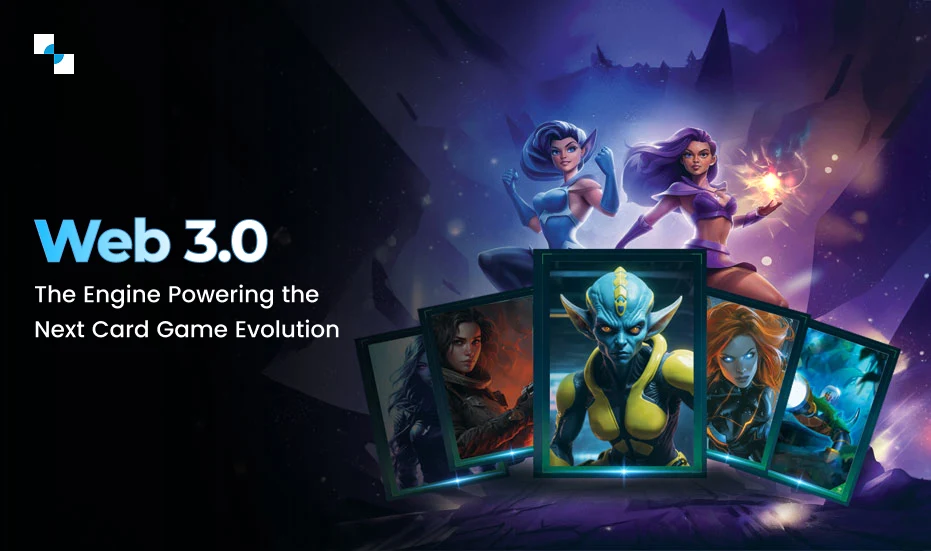
Traditional card games, including those played online, exist in closed ecosystems. Players pay for cards or upgrades, but they do not technically “own” their purchases. When the platform decides to shut down or change its terms, the player loses everything. This is where Web 3.0 NFT Card Game models flip the paradigm.
In a Web3 ecosystem, every asset (be it a hero card, a weapon, or a booster) exists as a verifiable NFT on a blockchain. The player has true digital ownership and is able to trade those assets off-platform on marketplaces like OpenSea or Blur. This level of autonomy creates an unprecedented level of transparency and freedom that traditional games have been unable to provide.
Further, Web3 card game development also introduces the idea of interoperability, meaning players can use their NFT assets from one game in multiple games or platforms. The use across platforms increases the value and utility of the digital asset. Now, instead of being stuck in a siloed gaming environment, players can move their wins and collectibles across metaverse-friendly environments.
In terms of development, NFT game development provides studios with the ability to build decentralized economies, wherein every transaction is governed by smart contracts. Because of this transparency, there is less opportunity for fraud, greater trust is built, and it attracts players and institutional investors looking for trustworthy, scalable blockchain applications in gaming.
Explore the Web 3.0 Card Gaming Ecosystem
Why 2026 is the Perfect Year to Invest in Web 3.0 NFT Card Games?
The confluence of technology, user adoption, and regulatory clarity will make 2026 the breakout year for Web3 NFT Card Game investment. There are several macro and microeconomic drivers behind that potential.
1. The Maturation of Blockchain Infrastructure
Scalability issues that have impeded blockchain gaming are being addressed with emerging Layer-2 solutions and sidechains. The infrastructure layer for Web 3.0 NFT card game ecosystems will be faster, cheaper, and more sustainable, enabling mass user adoption.
2. Growing Institutional Interest
Investment funds are assigning resources to Web3 gaming projects based on the idea that combining entertainment with asset-backed economics is a sustainable business model. Titles like Gods Unchained and Splinterlands have demonstrated that NFT-based economies can attract millions of players and maintain liquidity.
3. Shifting to Ownership-Based Engagement
Gen Z and Gen Alpha gamers value ownership and utilization. This cohort prefers decentralized ecosystems and will support technological advancements, rendering Web3 card game development the next logical step in the evolution of digital entertainment.
4. Evolving Tokenomics
Reworked mechanisms for rewards, dual-token concepts, and community-driven DAOs, NFT game development projects are creating engagement loops that last longer, which stabilizes ongoing trust and builds recurring revenue streams for both developers and investors.
Investing in 2026 means entering the ecosystem before it becomes saturated. As blockchain interoperability improves, card game NFTs will likely represent a substantial share of the digital collectibles market — creating an unparalleled growth window for early investors and studios.
Benefits of Web 3.0 NFT Card Games
The advantages of developing a Web3 NFT Card Game go beyond player ownership, but also encompass every stakeholder in the ecosystem:
- True Digital Ownership: Players possess verifiable proof of ownership of their assets through the use of NFTs, separate from the game developer or publisher.
- Monetization Opportunities: All assets, including cards, achievements, and skins, can be traded or leased throughan open marketplace.
- Community-Driven Ecosystem: Decentralized governance enables both players and investors to participate in decision-making through DAOs.
- Cross-Platform Interoperability: NFTs can be used across multiple different Web3 card game development projects, enhancing the usefulness of the ecosystem.
- Increased Security and Transparency: The blockchain-based smart contracts make all transactions and asset transfers auditable and tamper-proof.
- Sustainable Game Economies: Tokenomics and NFT staking create self-sustaining loops of revenue, aligning the interests of developers and players.
These benefits add up to NFT game development being one of the most fundamentally innovative parts of digital gaming and fintech.
Get Your Free Guide on Gamified Tokenomics
What’s Next for Web 3.0 NFT Card Games?
The future of Web3 NFT Card Game ecosystems is promising. As large studios tinker with blockchain platforms and legacy IPs are tokenized, the line separating traditional plays from decentralized games has never been more blurred.
The next evolution will emphasize the player experience focusing on interoperability, AI, and real-world assets. If you can imagine AI-enabled mechanics on cards that evolve and change in real-time based on player history decisions, or if the NFT card itself reflects tangible rewards, such as entry to a special event and/or exclusive merch.
Shape the next billion-dollar gaming ecosystem — Start your NFT game development journey now with us.