



AI Summary
- The Play-to-Earn (P2E) gaming market has rapidly evolved, offering engaging experiences beyond financial incentives.
- As we approach 2026, staying abreast of emerging trends in P2E game development is crucial for success.
- Cross-platform play-to-earn experiences are essential for wider audience reach and player retention.
- Integrating NFT marketplaces within games enhances asset liquidity and player loyalty.
- Sustainable tokenomics, AI-driven gameplay, and interoperable NFTs are pivotal for future-proofing P2E titles.
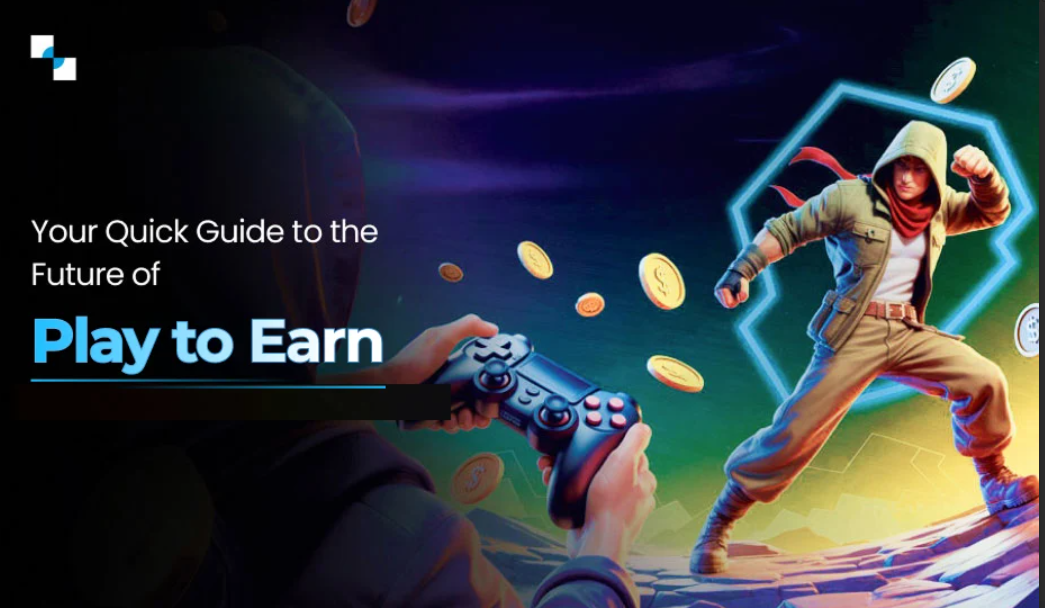
The Play-to-Earn (P2E) gaming market has changed a lot in a few short years. In 2025, it transitioned from a small niche of blockchain experimenters to a moment when gamers, developers, and investors all recognized the enormous potential for tokenized ecosystems and engagement. P2E gaming experiences are no longer mainly focused on financial incentives; rather, they are rapidly evolving into engaged experiences that merge gameplay, social interaction, and economic opportunity.
As we are fast-approaching 2026, it is imperative that studios, investors, and play to earn NFT game development firms keep pace with emerging trends in P2E game development for gaining market share, retaining players, and generating sustainable revenue streams. The competitive landscape is causing tremendous shifts, and developers who do not anticipate the next wave of innovation will risk being left behind. This playbook presents five trends that the best and brightest of industry leaders cannot afford to ignore, along with actionable guidance on how to leverage them to build the next wave of successful P2E games.
Learn How P2E Games Are Disrupting Traditional Games?
1. Cross-Platform Play-to-Earn Experiences
Today’s gamers expect flexibility, and cross-platform play—between PC, mobile, consoles, and cloud—is now essential, not optional. Gamers want the ability to continue their adventure across devices without losing progress or in-game accomplishments. For developers, cross-platform P2E experiences are an opportunity to achieve a wider addressable audience, user retention, and monetization.
Key Considerations:
- Unified Progress Across Devices: Players can move back and forth between a mobile device, desktop, or console to keep their achievements and in-game assets, which help retain players over the long term.
- Higher Player Retention: Because gamers are not limited to one device, cross-platform support reduces churn. A community of participants will help ensure longer participation within the P2E experience.
- Confidence With Investors: Multi-platform games can demonstrate scalability, which will appeal to investors in search of projects with longer-term sustainability.
- Become a Global Game: Supporting cross-platform developments opens up new marketing opportunities for developers, including markets that play predominantly mobile.
- Better Community Interaction: Gamers can easily play and interact with other gamers on either medium, which encourages larger, and higher attrition community engagement.
The importance of cross-platform experiences cannot be overstated. In 2026, P2E game development studios that ignore this trend risk limiting their user base and reducing revenue potential.
2. Integration of NFT Marketplaces in Games
NFTs have evolved from simple collectibles into fundamental aspects of game economies. The direct integration of NFT marketplaces into P2E games permits players to transfer, sell, and show assets all from within the game itself. This approach not only adds a solid user experience for any play to earn NFT game development company, but also generates additional monetization opportunities and creates a richer in-game economy.
Highlights include:
- Improved Liquidity of Assets: Players can effectively and securely buy, sell, and trade NFTs, elevating the perceived desirability of in-game assets as well as incentivizing players to come back long-term.
- Additional Developer Revenue Streams: Developers can earn secondary revenue via transaction fees, game royalties, and even game promotional events.
- Enhanced Player Retention: Players are typically more loyal long-term when they have ownership of their assets and can profit from their in-game efforts.
- Improved UX: A native marketplace limits friction and keeps players fully engaged in the game ecosystem, which is critical for retention.
- New Market Sources: Integrated NFT marketplaces will draw the attention of gamers and collectors alike, expanding the scope of potential users outside existing game players.
Adding NFT marketplaces is becoming a key feature for successful P2E game development. Games that offer the best experience for users, including an increasingly smooth, secure, and rewarding marketplace, will stand out in a rapidly growing and competitive space.
Ready to future-proof your next P2E title?
3. Tokenomics Innovation
Sustainable tokenomics are vital for any successful P2E game. Previous titles have gone through infinitely cyclical setbacks that were all rooted in broken game economies that led to inflation of prices, player distrust, and long-term player inactivity. By 2026, tokenomics as an innovation will be decisive in determining the success or failure of a P2E game, allowing developers and play to earn NFT game companies to stay ahead of the rewards vs stability game economy line.
Key Points:
- Deflationary Mechanisms: The biggest possible feature of tokenomics is built-in deflationary mechanisms, such as burning mechanisms or supply limit mechanisms. These mechanisms can limit the oversaturation of the tokenized economy and help the price of assets to remain in line with their value.
- Layered Incentive Structures: Player rewards for making achievements, social engagement, and being a good member of the community encourage participation and a shared experience versus a singular money-making motive.
- Staking and Yield Options: Players can choose to stake or yield their tokens for additional rewards, building an environmentally friendly, self-sustaining ecosystem.
- Transparent Economies: Clear and predictable tokenomics provide confidence and trust as an experience for investors for the long-term viability of the game.
- Adaptive Models: Tokenomics that are proprietary also evolve as players and market players’ behavior changes, allowing long-term sustainability and a competitive edge.
Whether for investors or players, by prioritizing an innovative tokenomics, studios and developers can offer P2E experiences that are trustworthy, sustainable, and profitable for experience or gameplay.
4. AI-Driven Gameplay and Player Engagement
Artificial intelligence is about to change the P2E ecosystem. AI offers insight into player behaviors, predicts preferences, and generates personalized experiences. Whether through a more adaptive difficulty system, AI-driven matchmaking, or dynamic rewards, artificial intelligence will keep every player having a personalized and engaging experience.
Takeaways:
- Personalized Experiences: AI can calibrate missions, challenges, and rewards based on how the player reacts, enhancing satisfaction and engagement.
- Dynamic Difficulty Adjustment: Players will be faced with challenges that are appropriate to their skill level, thereby reducing the frustrating experience of challenge vs. ability level, and increasing retention.
- Predictive Analytics for Developers: AI enables insight for studios to predict trends, optimize in-game events, and make data-driven decisions.
- Enhanced Monetization: Personalized recommendations for in-game purchases or NFT purchases will increase revenue without sacrificing player experience.
- Churn Reduction: By continually reshaping the gameplay to hold the attention of the player, AI can reduce the likelihood of quitting early.
In 2026, as P2E game development framework leverages AI, players will experience smarter and more engaging ecosystems that continue to hold their attention and meaningful activity longer than ever before.
5. Interoperable NFTs and Cross-Game Communities
Interoperability stands to be the next frontier in the world of blockchain games and NFTs. If NFTs can move across games or ecosystems, users can carry value and identify across experiences. For play to earn NFT games, this will encourage studio collaboration, user investment, and community building.
Key Takeaways:
- Cross-Game NFT Usability: Players can use* their NFTs across multiple games, elevating their utility and value.
- Greater Community Loyalty: Shared assets will keep player communities engaged with partnered games and networks.
- Collaborative Studio Potential: Interoperable NFTs allow for potential partnerships between studios, creating larger audiences and greater revenue opportunities.
- Investing for the Long Haul: Players are more likely to invest in in-game assets if they can use them across multiple games.
- Gamified Social Experiences: Cross-game communities will encourage social interaction, cooperation, and competition, which makes for a better player experience.
Interoperable NFTs will likely become a major differentiation factor for P2E games by 2026. Developers will be able to build ecosystems that are robust and connected.
Partner with Antier, a leading play to earn NFT game development company, to build immersive, profitable, and future-ready P2E games. Leverage our blockchain expertise to create engaging experiences that captivate players and maximize long-term value. Start your next P2E project with us today.