


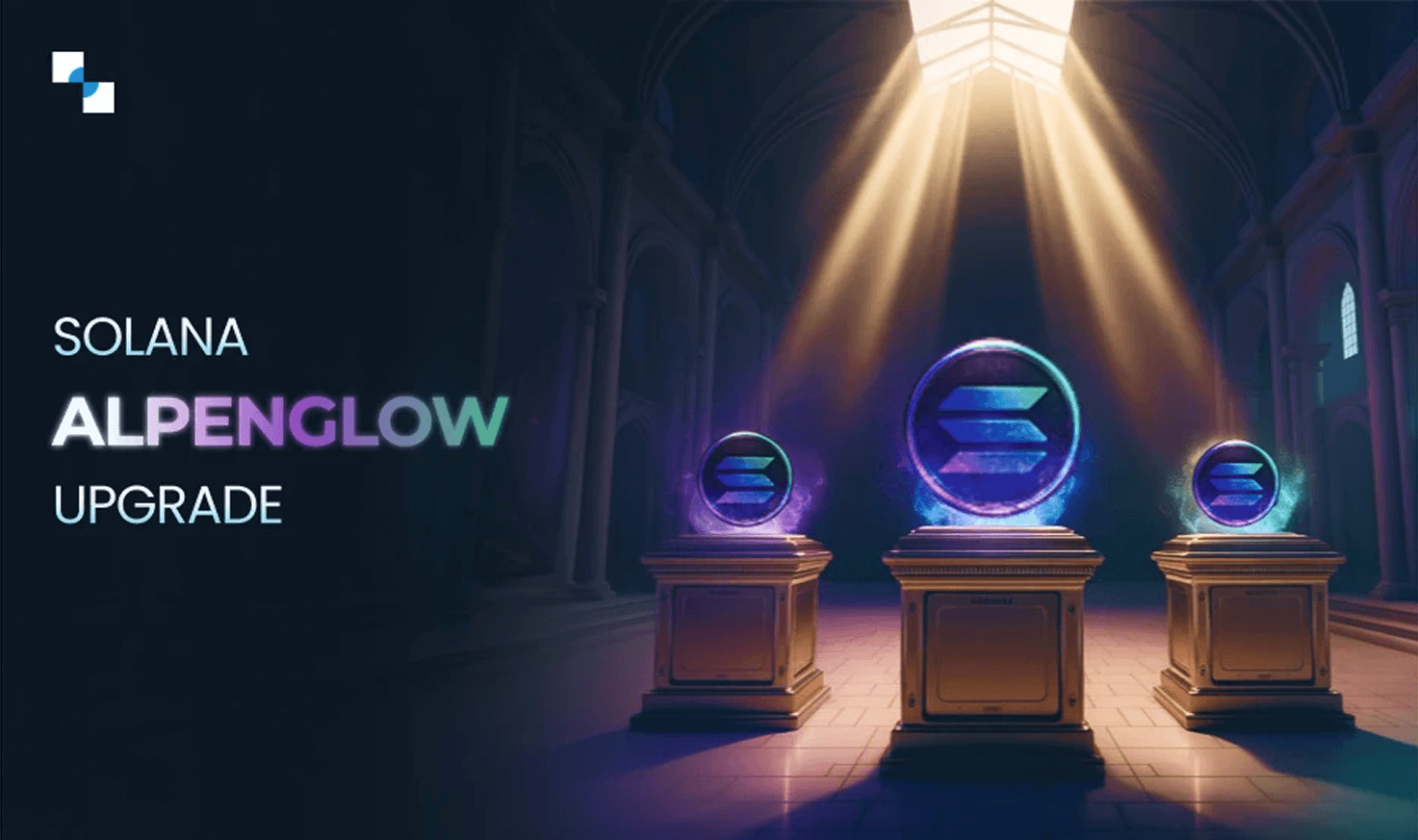

Imagine sending a payment that confirms in the time it takes to blink. Traditional blockchains can take several seconds or even minutes for transactions to finalize. Solana, known for its high-speed blockchain network, is closing this gap with the Solana Alpenglow Upgrade.
The upgrade reduces transaction finality from approximately 12.8 seconds to 100–150 milliseconds. This level of speed brings the responsiveness of blockchain applications closer to that of centralized platforms such as Google search or traditional financial networks.
What is Transaction Finality?
Transaction finality is the point at which a blockchain transaction is considered permanent and irreversible. Once a transaction reaches finality, it is recorded on the blockchain in such a way that it cannot be altered or reversed.
This is a critical measure for ensuring trust and reliability in decentralized networks, as users and applications need to know when a transaction is fully confirmed before proceeding with subsequent actions.
The Solana Alpenglow Update reduces transaction finality to between 100 and 150 milliseconds. This sub-second finality creates a near-instant confirmation experience while allowing users to interact with applications as quickly as they would with centralized systems.
Developers can now design applications that require rapid confirmation, and businesses can rely on Solana blockchain development companies to build solutions where speed and predictability are critical.
Key Features of the Alpenglow Upgrade
Votor: Faster Vote Propagation
Votor manages the way validators share votes on block approvals. This allows consensus to be reached more quickly while reducing the overall time required for transaction confirmations.
Rotor: Optimized Block Dissemination
Rotor improves how blocks and data are processed and distributed across the network. This ensures that transactions are finalized reliably within 100–150 milliseconds.
VATs(Validator Admission Tickets)
VATs simplify the onboarding process for new validators and lower operational costs. This encourages broader participation while maintaining the security and speed of the network.
20-20 Resilience Model
The network can tolerate up to 20 percent of validators being offline or acting maliciously without affecting transaction processing. This model strengthens network stability and reliability.
Also Read>>> How to Build an Institutional-Grade DEX in 2026: Lessons from aPriori’s $20M On-Chain Bet
Market Implications for Solana
Increased Appeal to Investors and Enterprises
The 150ms transaction finality introduced by the Solana Alpenglow Upgrade makes the network more attractive to investors and enterprises. Faster confirmations allow applications to operate in real-time, improving usability and confidence for both individual and institutional participants. This level of speed encourages adoption and creates a more engaging environment for users and developers alike.
Impact on SOL Token Adoption and Market Value
With improved performance, the adoption of SOL tokens is likely to increase. More applications built on Solana will rely on the network, driving demand for the native token. Higher token usage and liquidity can influence SOL’s market value and investor interest, positioning Solana as a more competitive asset in the cryptocurrency ecosystem.
Governance Support and Network Confidence
Over 98 percent of validators approved the Alpenglow Upgrade, representing more than half of the network stake. This broad consensus signals stability and alignment within the community, reducing perceived risks for investors and reinforcing trust in the network’s development path.
Competitive Positioning Among Blockchains
Near-instant transaction finality allows Solana to support applications that were previously limited by slower networks, including decentralized exchanges, NFT marketplaces, and real-time payment platforms. This strengthens Solana’s position against other blockchains like Ethereum and Sui, attracting more developers and enterprises to its ecosystem.
Consult our experts to know more about Solana’s Alpenglow upgrade
Opportunities for Developers and Enterprises
Real-Time Decentralized Applications
The Solana Alpenglow Upgrade enables developers to build decentralized applications that require near-instant confirmation. High-speed transaction finality supports applications where delays could previously limit functionality, such as high-frequency trading platforms, blockchain-based games, and real-time payment systems.
Enhanced Developer Flexibility
Developers can design solutions without worrying about network latency affecting user experience. The faster consensus process allows for smoother interactions and more responsive applications. This creates opportunities for complex dApps that were previously impractical on slower networks.
Enterprise-Grade Blockchain Solutions
Enterprises can leverage the network’s speed for applications like instant settlements, cross-border payments, and tokenized asset management. Validator Admission Tickets encourage broader validator participation, supporting a more decentralized and resilient network suitable for enterprise deployments.
Support for High-Volume Applications
The network can handle a high number of transactions per second without congestion. This allows applications to scale as user demand grows, supporting both individual projects and large enterprise initiatives across decentralized finance, gaming, and NFT ecosystems.
Challenges and Considerations
Potential Upgrade Risks
While the Solana Alpenglow Upgrade enhances speed and performance, there are inherent risks during deployment. Software bugs or unexpected network behavior could temporarily affect transaction processing or validator operations. Careful testing and phased rollouts are essential to minimize disruptions.
Validator Network Dynamics
The introduction of Validator Admission Tickets changes how validators join the network. While this encourages broader participation, it may also favor larger, well-resourced validators, potentially creating centralization concerns if not monitored.
Security Threats
High-speed networks can still face security vulnerabilities. Malicious actors could attempt attacks such as transaction manipulation or network exploitation. Continuous monitoring and updates are necessary to maintain security without slowing the network.
Ecosystem Adaptation
Developers and enterprises must adjust existing applications to fully leverage the faster transaction finality. Legacy systems or applications designed for slower blockchains may require modifications to maintain compatibility and performance.
Balancing Speed and Stability
Maintaining 150ms finality requires balancing network throughput with stability. The Solana Alpenglow Consensus and upcoming integration of the Firedancer validator client aim to address this challenge by increasing resilience and distributing workload across the network.
Future Outlook
Testnet and Mainnet Deployment
Solana plans to deploy the Alpenglow Upgrade on its testnet in December 2025, followed by a mainnet rollout in early 2026. This phased approach allows the community to monitor performance, identify potential issues, and ensure a smooth transition to faster transaction finality.
Integration of Firedancer Validator Client
The Firedancer client is being gradually integrated to complement the existing Agave validator client. Early tests have demonstrated throughput exceeding one million transactions per second. This dual-client approach aims to increase network resilience, reduce single points of failure, and support higher transaction volumes.
Opportunities for Adoption
With sub-second finality, the Solana network can attract more developers and enterprises to build applications requiring high-speed processing. Decentralized finance platforms, NFT marketplaces, gaming applications, and real-time payment solutions are likely to benefit from the upgrade, driving higher network usage and ecosystem growth.
Impact on Market Confidence
Successful deployment of the Alpenglow Upgrade could strengthen investor confidence in Solana and increase interest in SOL tokens. Consistent high performance and reliability may also improve adoption rates among developers and enterprise users, positioning Solana as a leading high-speed blockchain solution.
Long-Term Network Growth
The combination of faster transaction finality and enhanced validator diversity is expected to support sustainable long-term growth. Solana Blockchain Development Services can leverage these capabilities to build scalable, responsive, and competitive blockchain applications for a global audience.
Unlock Solana’s full potential for your business with Antier’s expertise
Conclusion
By improving speed and network resilience, Alpenglow enhances Solana’s competitive position relative to other blockchains. Faster transaction processing can drive adoption, increase SOL token usage, and attract enterprise solutions that require reliable high-speed networks. The integration of features such as Votor, Rotor, Validator Admission Tickets, and the forthcoming Firedancer client further strengthens the network’s scalability and performance.
Developers and businesses can leverage Solana Blockchain Development Services from a renowned blockchain development company to take full advantage of these capabilities. For organizations seeking professional guidance in blockchain adoption, Antier offers comprehensive Solana Blockchain Development Services, helping enterprises and developers design, deploy, and scale high-performance applications on Solana.