




AI Summary
- The blog post discusses the evolution of digital interaction towards metaverse gaming platforms, where users engage in persistent virtual environments with real-time interaction, digital ownership, and user-generated economies.
- These platforms are attracting interest due to features like persistent user engagement, digital ownership, and platform-based revenue models.
- The core components of a metaverse gaming platform include a 3D virtual environment, avatar and identity system, multiplayer infrastructure, digital asset layer, marketplace infrastructure, and social interaction layer.
- The post highlights the architecture, digital economy, enterprise use cases, cost factors, and a comparison with traditional gaming.
- It also provides insights on choosing a reliable metaverse game development company and discusses the future trends of AI-driven environments and deeper integration with real-world systems.
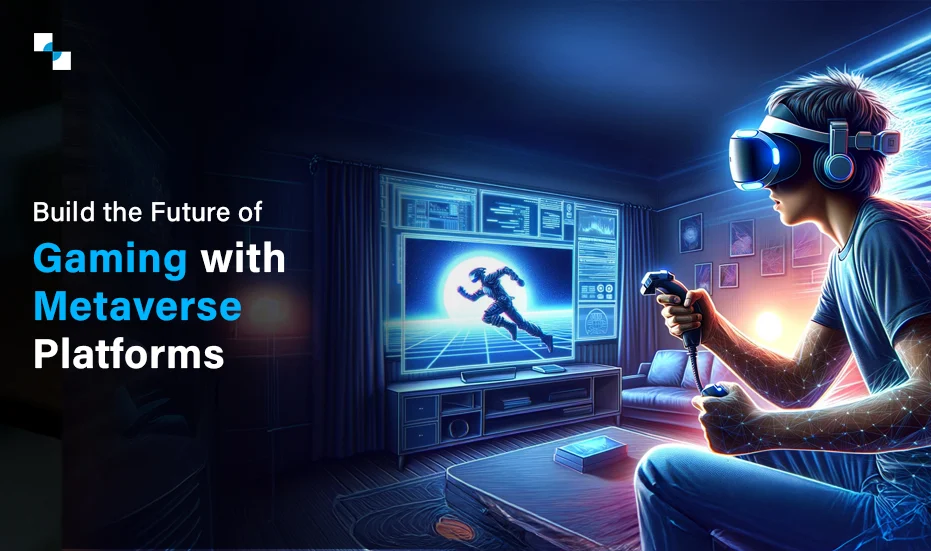
The evolution of digital interaction is moving beyond standalone applications toward persistent, immersive environments. In gaming, this shift is being realized through metaverse gaming platforms or virtual ecosystems where users interact, transact, and participate in continuously evolving worlds.
Unlike traditional games, metaverse platforms are not products. They are infrastructure layers for digital experiences, combining real-time interaction, digital ownership, and user-generated economies.
For enterprises and startups, metaverse gaming platform development is no longer just about building immersive experiences, it is about creating scalable ecosystems capable of sustaining long-term engagement and economic activity.
What Is Metaverse Gaming Platform Development?
Metaverse gaming platform development refers to designing and building persistent, real-time virtual environments where users can:
- Interact with digital spaces and other users
- Own and trade virtual assets
- Participate in decentralized economies
- Create and monetize content
Unlike traditional games that operate within closed environments, metaverse platforms function as open digital ecosystems with continuous activity and evolving user participation. From a technical standpoint, these platforms combine:
- Real-time 3D engines
- Multiplayer networking systems
- Blockchain infrastructure
- Digital asset frameworks
- Cloud-based scalability layers
This combination enables seamless interaction between users, systems, and economies.
Why Businesses Are Investing in Metaverse Gaming Platforms
Metaverse platforms are attracting significant interest because they redefine how users engage with digital environments.
1. Persistent User Engagement
Unlike session-based games, metaverse platforms operate continuously. Users return not just to play, but to socialize, trade, and participate in evolving ecosystems.
2. Digital Ownership and Monetization
Through blockchain integration, users gain ownership of in-game assets, enabling new revenue models such as:
- Asset trading
- Virtual real estate
- Digital goods marketplaces
3. Platform-Based Revenue Models
Businesses can generate revenue through:
- Transaction fees
- Asset sales
- Subscription models
- Branded experiences and partnerships
4. Community-Driven Growth
Metaverse platforms grow through user-generated content and social interaction, thereby reducing dependency on centralized content pipelines.
Core Components of a Metaverse Gaming Platform
Scalable metaverse gaming platform development requires integrating multiple systems that function together as a unified ecosystem.
- 3D Virtual Environment
The foundation is a real-time, interactive 3D world where users navigate, interact, and engage with digital assets. This environment must support dynamic updates and persistent state management. - Avatar and Identity System
Users are represented through customizable avatars, often linked to digital identity systems. Advanced platforms integrate interoperable identity layers, allowing cross-platform usage. - Real-Time Multiplayer Infrastructure
Metaverse platforms require low-latency networking systems capable of supporting thousands of concurrent users interacting in the same environment. - Digital Asset and NFT Layer
Assets such as land, characters, skins, and items are tokenized, enabling ownership, transferability, and monetization. - Marketplace Infrastructure
A built-in marketplace enables users to buy, sell, and trade assets, forming the economic backbone of the platform. - Social and Interaction Layer
Communication tools, events, and collaborative features drive user engagement and retention.
Planning to Build a Metaverse Gaming Platform?
Metaverse Gaming Platform Architecture
A scalable metaverse platform relies heavily on a multi-layered architecture that balances performance, scalability, and decentralization.
1. Client Layer (Frontend)
Handles rendering, user interaction, and immersive experiences through engines like Unity or Unreal Engine. It must support high-performance graphics and real-time responsiveness.
2. Backend Systems
These systems manage the following to ensure smooth gameplay and platform operations:
- User data
- Session management
- Matchmaking
- Analytics
3. Multiplayer Networking Layer
Handles synchronization between users in real time. This layer is critical for maintaining consistency across shared environments.
4. Blockchain Integration Layer
Acts as a bridge between gameplay systems and decentralized infrastructure. It manages:
- Wallet interactions
- Asset ownership verification
- Transaction execution
5. Smart Contract Layer
Automates economic systems such as:
- NFT minting
- Marketplace transactions
- Token distribution
6. Cloud Infrastructure
Ensures scalability by supporting high user loads, real-time data processing, and global accessibility.
Digital Economy and Asset Layer
The defining feature of metaverse platforms is their embedded digital economy.
Unlike traditional games, where value is controlled by developers, metaverse platforms enable player-driven economies. Key elements include:
- Tokenized Assets
Assets are represented as NFTs, allowing verifiable ownership and transferability. - Economic Incentive Systems
Platforms must balance incentives to ensure sustainable growth and avoid inflation or value collapse. - Marketplace Liquidity
A healthy marketplace ensures continuous trading activity and asset valuation. - Interoperability
Advanced platforms allow assets to be used across multiple environments, increasing their utility and value.
Enterprise Use Cases of Metaverse Gaming Platforms
- Gaming Ecosystems
Develop persistent virtual worlds with player-driven economies and continuous engagement. - Virtual Events and Experiences
Host concerts, exhibitions, and interactive events within immersive environments. - Brand Engagement Platforms
Enable brands to create interactive campaigns and virtual experiences. - Training and Simulation
Use immersive environments for education, onboarding, and simulation-based training.
Cost of Metaverse Gaming Platform Development
The cost of metaverse gaming platform development varies based on complexity and scale.
- Basic MVP platforms: $80,000 – $250,000
- Mid-scale platforms with multiplayer and assets: $250,000 – $800,000+
- Enterprise-grade ecosystems: $1 million+
The key factors affecting cost include:
- 3D environment complexity
- Multiplayer infrastructure
- Blockchain integration
- Asset and marketplace systems
Metaverse Gaming vs Traditional Gaming: A Comparison
| Aspect | Traditional Gaming | Metaverse Gaming Platforms |
|---|---|---|
| Environment | Session-based | Persistent worlds |
| Ownership | Centralized | Player-owned assets |
| Economy | Closed | Open, tokenized |
| Interaction | Limited multiplayer | Massive shared environments |
| Monetization | Developer-driven | Ecosystem-driven |
How to Choose a Metaverse Game Development Company
Selecting the right metaverse game development company is critical for building scalable platforms. Prior to making a decision, businesses should evaluate:
- Experience in 3D and immersive technologies
- Blockchain and digital asset expertise
- Scalability of architecture
- Ability to deliver end-to-end solutions
- Security and compliance practices
A reliable metaverse game development company like Antier is capable of building both technical infrastructure and immersive experiences seamlessly that fetch the desired results.
The Future of Metaverse Gaming
Metaverse gaming platforms are evolving toward:
- AI-driven environments
- Cross-platform interoperability
- Persistent digital economies
- Deeper integration with real-world systems
The next generation of platforms will not just host games, they will function as digital ecosystems where users live, interact, and transact continuously.
Nowadays, metaverse gaming platform development represents a fundamental shift in how digital experiences are designed and consumed. Building these platforms requires more than game development. It requires expertise in infrastructure, economies, and scalable architecture.
By partnering with Antier, an experienced metaverse game development company, businesses can build immersive ecosystems that drive engagement, enable digital ownership, and unlock new revenue opportunities.
Frequently Asked Questions
01. What is metaverse gaming platform development?
Metaverse gaming platform development involves creating persistent, real-time virtual environments where users can interact, own and trade virtual assets, participate in decentralized economies, and create and monetize content.
02. Why are businesses investing in metaverse gaming platforms?
Businesses are investing in metaverse gaming platforms due to their potential for persistent user engagement, digital ownership and monetization opportunities, diverse revenue models, and community-driven growth.
03. How do metaverse platforms differ from traditional games?
Unlike traditional games that operate in closed environments, metaverse platforms function as open digital ecosystems with continuous activity, allowing for real-time interaction, user participation, and evolving experiences.