




AI Summary
- In the blog post, the challenges surrounding cross-border payments in global finance are discussed, highlighting delays, high costs, and inefficiencies caused by traditional banking systems.
- The post introduces a TRON-enabled stablecoin payment platform as a solution for enabling near-instant, low-cost, and transparent international payments through blockchain technology.
- It explains how TRON's characteristics make it a preferred network for stablecoin payment platform development, offering benefits such as faster settlement cycles, lower operating costs, improved customer experience, global market expansion, better risk control, and stronger investor confidence.
- The post also outlines key considerations before implementation and a practical roadmap for building a TRON-based payment system.
- Ultimately, the post emphasizes the importance of professional stablecoin payment platform development to stay competitive in the evolving financial landscape.
“Every hour a payment is delayed is capital that cannot be reinvested, scaled, or compounded.” Cross-border payments remain one of the most complex challenges in global finance. Despite advances in digital banking and fintech infrastructure, many international transactions still take days to settle. Multiple intermediaries, fragmented regulations, and inefficient reconciliation systems continue to slow down money movement.
For fintech founders, payment service providers, and institutional investors, these delays translate into higher costs, liquidity constraints, and lost customer trust. A TRON-enabled stablecoin payment platform offers a modern alternative. Businesses can enable near-instant, low-cost, and transparent international payments by combining blockchain settlement with fiat-pegged digital assets.
This guide explains how such platforms work, why TRON plays a critical role, and how organizations can implement scalable systems to eliminate cross-border payment delays.
Understanding the Real Problem Behind Cross-Border Payment Delays
Cross-border payment delays are not caused by a single technical limitation. They are the result of structural inefficiencies embedded in traditional banking systems. Even with digital interfaces, most international transactions still depend on fragmented infrastructure, multiple intermediaries, and manual verification processes.
For scaling fintech companies and global payment operators, these frictions directly impact liquidity management, customer satisfaction, and operational margins. Without a modern stablecoin payment platform, businesses remain dependent on slow settlement rails that limit their ability to compete in real-time financial markets.
Key Friction Points in Traditional Cross-Border Payments
| Friction Point | Key Data Point | The Real Problem |
|---|---|---|
| Speed | 80% of delays occur in the last mile | Local bank processing and legacy systems slow final settlement |
| Availability | Systems operate ~66 hours per week | Financial dead zones during weekends and holidays |
| Success Rate | Only 35% meet the 1-hour target | Fragmented AML and KYC regulations |
| Cost | 6.49% global average fee | Too many correspondent banks and intermediaries |
What does this mean for payment leaders?
- Speed Remains Unreliable
- Availability Is Limited
- Compliance Slows Execution
- Intermediaries Inflate Costs
The root issue is continued dependence on legacy rails and intermediary-heavy models. Incremental upgrades rarely solve these problems without comprehensive stablecoin payment platform development. Sustainable improvement requires rebuilding settlement workflows at the infrastructure level.
See How Modern Payment Platforms Reduce Delays
Why TRON Is a Preferred Network for Stablecoin Payment Platform Development
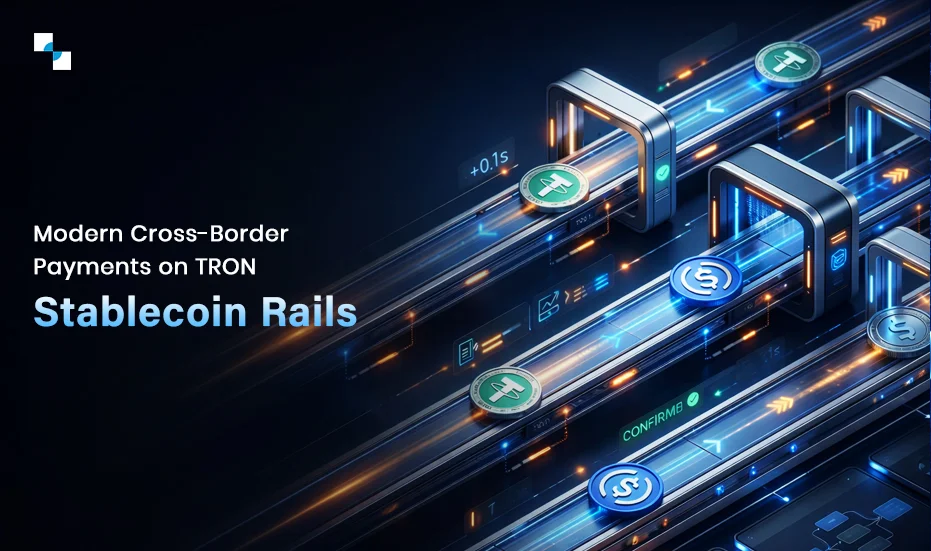
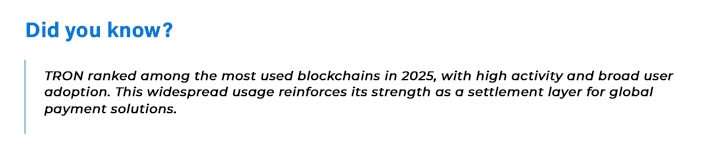
When evaluating blockchain networks for stablecoin payment platform development, real-world usage and performance matter most. TRON offers a blend of high throughput, low fees, and strong adoption, making it a practical choice for payment infrastructure.
TRON’s technical characteristics support reliable payment orchestration:
- High transaction speed helps reduce settlement time compared to traditional rails.
- Low network costs make stablecoin transfers more economical, improving margins.
- Mature ecosystem adoption means wider developer support and integration options.
- Stablecoin compatibility ensures seamless settlement workflows for USDT and other assets.
These traits have contributed to TRON’s growth and positioned it as a strong foundation for building a Stablecoin Payment Platform that meets enterprise performance and scalability needs.
How a TRON-Enabled Stablecoin Payment Platform Works
- Payment initiation: Customers trigger transactions through wallets or integrated apps. The system validates identity and balance before processing.
- Merchant and gateway processing: Merchant systems connect via APIs. The payment gateway applies routing rules, fees, and compliance checks.
- Transaction orchestration: The platform prepares, signs, and routes transactions while managing fallback and risk controls.
- TRON settlement layer: Stablecoin transfers are executed on the TRON network, enabling near-real-time settlement and transparent records.
- Liquidity and on/off ramps: Integrated exchanges and custodians convert between fiat and stablecoins for local payouts and treasury management.
- Security and custody management: Multi-signature wallets, cold storage, and access controls protect digital assets.
- Compliance and monitoring: Automated KYC, AML, and transaction screening ensure regulatory alignment.
- Reconciliation and reporting: On-chain data and system logs enable automated accounting and settlement reporting.
- Integration and scalability: APIs connect with banking systems, ERPs, and marketplaces, supporting long-term growth.
When these components operate together, they form a unified, secure, and high-performance Stablecoin payment system, making professional stablecoin payment platform development essential for building scalable, compliant, and future-ready global settlement systems.
Business Benefits of Adopting Stablecoin Payment Infrastructure
For fintech operators, payment platforms, and global enterprises, implementing a TRON-enabled solution delivers measurable and long-term business value. Beyond technical efficiency, it directly improves financial performance, operational resilience, and market competitiveness.
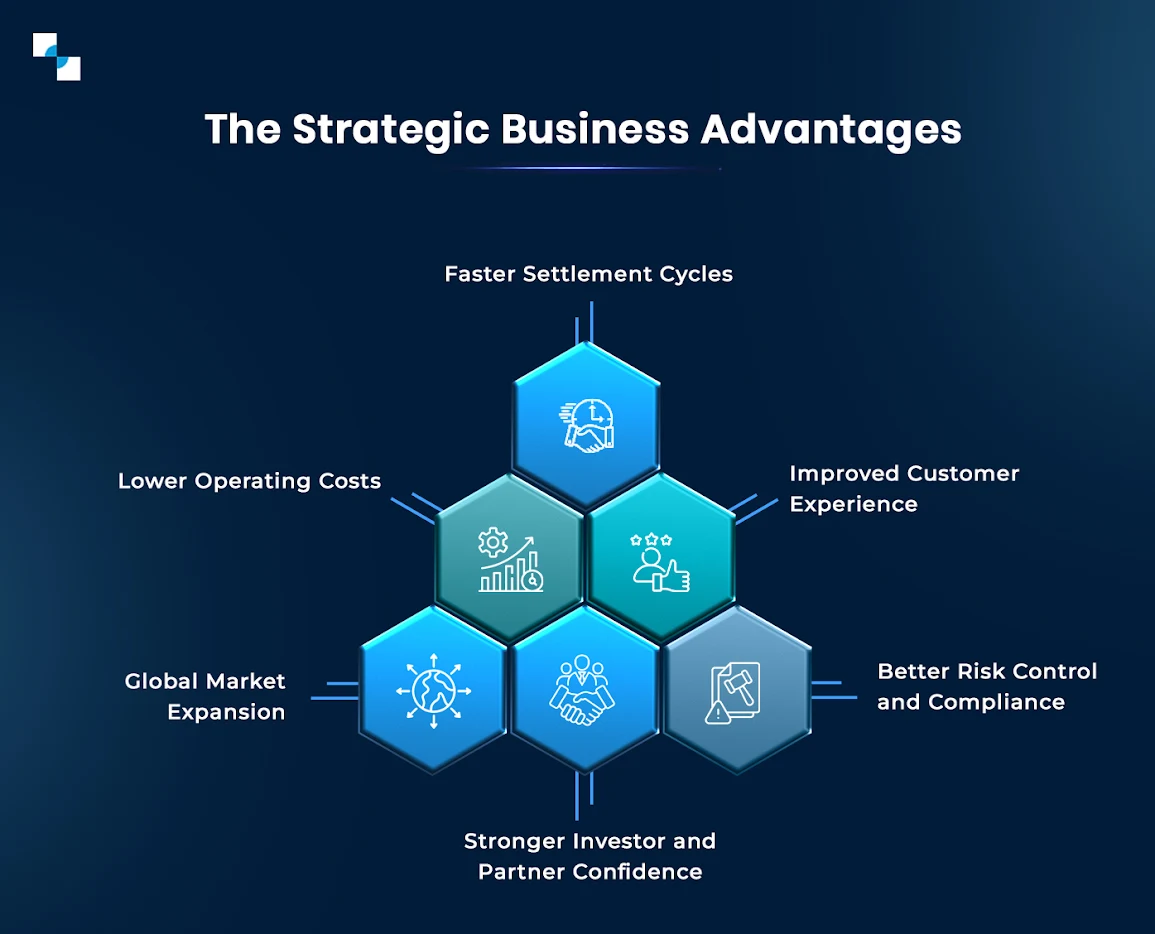
- Faster Settlement Cycles: TRON-based settlement enables funds to move within minutes instead of days. This accelerates cash flow, reduces working capital pressure, and improves treasury visibility. For high-volume platforms, faster settlements supported by a modern stablecoin payment platform translate into better liquidity planning and reduced dependency on credit lines.
- Lower Operating Costs: Traditional cross-border payments involve multiple intermediaries, each charging processing and reconciliation fees. A blockchain-based settlement layer removes many of these cost centers. Combined with automated workflows, this significantly lowers per-transaction expenses and improves margin sustainability.
- Improved Customer Experience: End users increasingly expect instant and transparent payments. Delayed settlements and unclear fee structures lead to churn and reputational risk. A reliable stablecoin payment system enables faster transfers, real-time status updates, and predictable pricing, strengthening user trust and platform retention.
- Global Market Expansion: TRON-enabled platforms allow businesses to operate in regions with limited banking infrastructure. This enables payment providers to serve underbanked populations and emerging markets without establishing local correspondent relationships.
- Better Risk Control and Compliance: On-chain transaction records provide immutable audit trails, while integrated compliance tools support automated monitoring and reporting. This improves governance, reduces fraud exposure, and simplifies regulatory engagement. For institutional clients, these features are essential for long-term adoption.
- Stronger Investor and Partner Confidence: Transparent settlement logic, predictable costs, and scalable infrastructure make payment platforms more attractive to investors and strategic partners. Platforms built through structured payment system development demonstrate operational maturity and long-term viability, which support fundraising and partnership negotiations.
For founders, executives, and investors, TRON-based stablecoin infrastructure is not merely a technology upgrade. It is a strategic lever for improving profitability, reducing operational risk, and accelerating market entry.
Request a Detailed Platform Architecture Review
Key Considerations Before Implementation
While the technology is mature, successful deployment requires careful planning.
1. Regulatory Compliance
A production-ready platform must support:
- Know Your Customer procedures.
- Anti-Money Laundering screening
- Transaction monitoring
- Regulatory reporting
2. Security Framework
Security must include:
- Multi-signature wallets
- Cold storage mechanisms
- Secure API authentication
- Disaster recovery systems
3. Scalability Planning
- Systems must handle future transaction growth without latency or failures.
4. Integration Capability
- Compatibility with ERP systems, accounting tools, and partner platforms is critical.
Professional stablecoin payment platform development teams design these elements from the start.
Practical Roadmap to Building a TRON-Based Payment System
For organizations considering implementation, the following phased approach works best for successful stablecoin payment platform development:
Phase 1: Business and Technical Assessment
Define transaction volumes, target markets, regulatory exposure, and operational requirements to align the platform with business goals.
Phase 2: Architecture Design
Develop wallet models, compliance workflows, API structures, and settlement logic to create a scalable foundation.
Phase 3: Platform Development
Build and test core modules for transaction processing, monitoring, and reporting to ensure operational reliability.
Phase 4: Compliance and Security Validation
Conduct audits, regulatory reviews, and penetration testing to meet institutional security and regulatory standards.
Phase 5: Deployment and Optimization
Launch in controlled environments, analyze performance data, and continuously optimize workflows for long-term stability.
Evaluating ROI: Is It Worth the Investment?
For decision-makers, return on investment is a critical factor when adopting new payment infrastructure. Implementing a solution on the TRON network offers both technical efficiency and measurable financial returns.
Well-designed stablecoin platforms built on TRON typically deliver:
- 40-70% reduction in processing costs by minimizing intermediaries and automating settlement workflows
- Significant improvement in settlement speed, enabling near-real-time fund availability
- Lower customer churn through faster transfers and transparent pricing
- Increased transaction volumes driven by improved user trust and operational reliability
In addition, the low transaction fees and high throughput of the TRON network help payment providers maintain profitability even at scale. When aligned with a long-term growth strategy, a well-implemented stablecoin payment platform becomes a revenue enabler rather than a cost center. It supports stronger cash flow management, higher platform adoption, and greater investor confidence, making it a strategic asset for fintech and enterprise payment leaders.
Final Takeaway
Cross-border delays are no longer acceptable in a real-time global economy. Fintech leaders and payment providers that continue relying on legacy rails risk losing customers, margins, and market relevance. A TRON-enabled settlement infrastructure offers speed, transparency, and scalability. However, realizing these benefits requires expert execution. This is why professional stablecoin payment platform development is essential.
Antier brings deep technical expertise, regulatory understanding, and proven delivery capabilities to help organizations build secure, high-performance payment platforms. With Antier, businesses reduce implementation risk and accelerate time-to-market. Now is the time to modernize your payment infrastructure.
Partner with Antier to Launch Your TRON-Enabled stablecoin platform. Start building a faster, compliant, and future-ready global payment system today!
Frequently Asked Questions
01. What are the main challenges of cross-border payments?
The main challenges include delays caused by multiple intermediaries, fragmented regulations, and inefficient reconciliation systems, which lead to higher costs and liquidity constraints.
02. How does a TRON-enabled stablecoin payment platform improve cross-border payments?
A TRON-enabled stablecoin payment platform enables near-instant, low-cost, and transparent international payments by combining blockchain settlement with fiat-pegged digital assets.
03. What are the key friction points in traditional cross-border payment systems?
Key friction points include unreliable speed, limited availability, compliance issues that slow execution, and inflated costs due to too many intermediaries.