




AI Summary
- Gacha games are a booming and addictive genre, offering players the thrill of collecting unique characters through randomized rewards.
- For those considering creating their own gacha game, understanding the costs involved is crucial.
- Various factors impact the development costs, including game design, platform choice, features and functionality, technology stack, team composition, testing, and post-launch operations.
- Different types of gacha games – basic, mid-tier, and high-end – come with varying cost implications.
- To optimize your budget, consider starting small with an MVP, utilizing pre-built assets, outsourcing wisely, employing agile development, and leveraging cloud infrastructure.
Gacha games have quickly risen to be one of the most lucrative and addictive genres of games available today. The allure of randomness, the thrill of collecting unique characters, and the continuous flow of focused content keep players coming back for more. For entrepreneurs, startups, or established studios, developing a gacha game is more than just a creative exercise, but a rewarding business opportunity.
The biggest question that is asked in the beginning stages of creating a gacha game is how much does it cost to build a Gacha game? That answer is not black and white. Costs can widely vary based on features, platform, and the team that is building the game. Understanding costs, if you plan to create your own gacha game, should be the first step toward creating a successful product.
What is a Gacha Game?
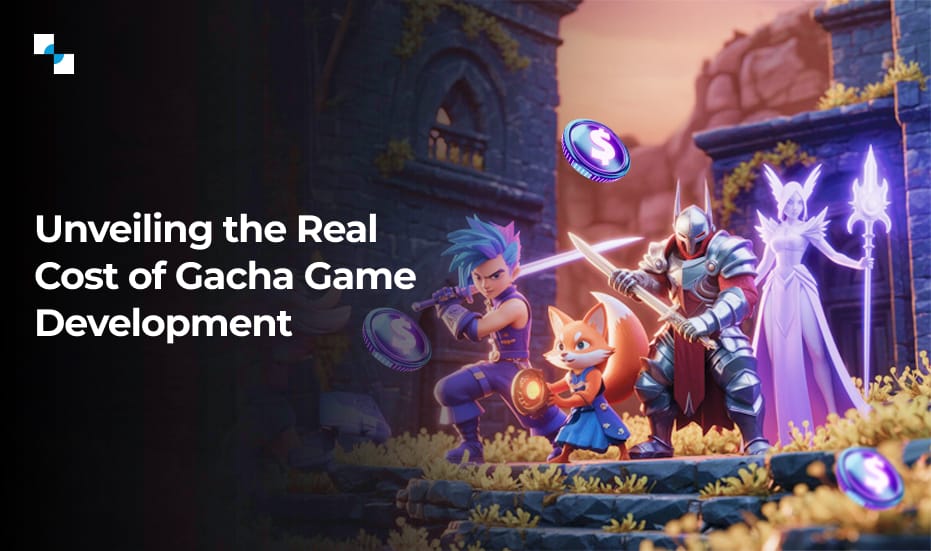
A Gacha game is a digital experience inspired by Gashapon, which are capsule-toy vending machines popular in Japan. Players spend virtual or real currency to receive a randomized reward—whether it be a character, item, or ability. Gacha models have been adopted by games such as Genshin Impact and Fate/Grand Order, which demonstrate the potential for Gacha mechanics to work with storytelling and gameplay.
When you whittle down your idea to a concept and decide to build a gacha game, you are not just building a game, you are building a long-term ecosystem. The key to success will be to balance excitement with fairness, and monetization with the happiness of your players.
Key Factors That Influence Gacha Game Development Costs
When estimating the cost of a Gacha game, there is no definitive number. The total budget is based on a number of creative, technical, and operational decisions taken during game development. The complexity of the story and detailed art, the platform or distribution format you choose, and the features you incorporate all contribute to the planning and incrementally impact time, effort and cost. If you are looking to create your own gacha game, it is useful to understand the factors that will affect cost so that you can make informed decisions and work productively with a game development agency to optimise cost and quality.
1. Game Design & Concept
The creative core of any Gacha game is its design. Features of the story arc and the number of character arcs, the different character designs, art style, artistic animations etc., all influence budget. A game with significant lore, various character arcs and beautifully designed assets will cost more than a game that is minimal in terms of design.
2. Development Platform
Your platform choice is another major factor. Will the game exist on Android, iOS, or both? Will you spend the extra time and budget on developing a cross-platform game in order to have the most user reach? Each decision you make can affect costs and your reach to users.
3. Features & Functionality
The feature set determines the scope of development:
- Randomized loot system as the core mechanic
- In-app purchases for monetization
- Multiplayer modes to boost engagement
- Community and social sharing to increase virality
- Leaderboards and achievements for competitive play
The richer and more interactive the features, the greater the effort and cost.
4. Technology stack & tools
The tools you select, whether Unity, Unreal, or another game engine, can affect both performance and cost. You are going to need backend infrastructure to process data, servers to accommodate multiplayer aspects of your game, and safe APIs so you can operate smoothly.
5. Team composition & expertise
To build your own gacha game, you will need an experienced team of game designers, developers, testers, and project managers. Working with a dedicated game development company will help build your Gacha game if you want to develop your internal game production capabilities, since they will provide you with access to resources that span the entire game production process.
6. Testing & Quality Assurance
Players expect a seamless experience. Rigorous QA testing across devices and platforms will ensure your Gacha game does not have glitches, laggy performance, or compatibility issues. QA is often an overlooked aspect of game development; however, QA is fundamental for players to stay in your game.
7. Post-Launch Operations
Launching your game is only the first step. Continuing expenses will include regular updates, bug fixes, character additions, seasonal events, and server maintenance. Marketing campaigns and player support, to keep the community alive, are also a cost of doing business.

Types of Gacha Games and Their Cost Implications
1. Basic Gacha Games
Less complex games with smaller character rosters and fewer features can be built more quickly. They are useful to test the waters and understand player response so that you can increase your games from there.
2. Mid-Tier Gacha Games
Mid-tier games that have more sophisticated art than basic games, multiplayer elements, and stronger monetization elements are developed here, weighing the quality of the game against the investment being made.
3. High-End Gacha Games
High-End Gacha Games reflect the same ambition seen in AAA-level games, with massive worlds, high-quality 3D graphics, a deep narrative experience, and/or live events. While they require thorough upfront planning and more people, the benefit is of improved player engagement and sustained profits.
Additional Cost Considerations While You Create Your Own Gacha Game
Beyond core development, there are hidden elements to account for:
- Legal compliance to avoid conflicts around intellectual property or regional regulations
- App store publishing fees from platforms like Google Play or Apple App Store
- Marketing and community building, which often determine the game’s success
- Seasonal updates and events to keep the game fresh and exciting
Strategies to Optimize Your Budget
1. Start Small with an MVP
Releasing a minimum viable product lets you value test feature sets, gather feedback, and upgrade/update the game quickly before deploying.
2. Utilize Pre-Built Assets
You don’t have to build every asset from scratch. Borrowing or using pre-built animations, environments, and frameworks will save you time and money.
3. Outsource Wisely
Hiring a seasoned game development company can decrease project budgets while ensuring quality. They also provide expertise, insights, and pre-built workflows.
4. Agile Development
Using an agile development strategy, you’ll benefit from flexibility and avoid risk whilst managing costs based on milestone completion.
5. Cloud Infrastructure
Cloud options provide cost-effective, scalable solutions that eliminate the upfront costs of physical servers.
Why Work with a Game Development Company?
Selecting to make your own gacha games can be intimidating without the proper guidance. A game development studio offers end-to-end services from the conceptual stage through to publishing and post-launch support. A studio also has knowledge in monetization methods, legal compliance, market readiness, and how to avoid potential pitfalls.
Additionally, outsourcing your gacha game could save money over building an in-house team. It can lead to shorter development schedules, ensure quality, and allow you more time to work on the planned creative endeavor or business strategy.
If you’re ready to build your own gacha game, working with a dependable game development company will help you manage your budget while producing an effective, scalable project. If you’ve planned right and have the ability to follow through, your Gacha game can reach players, keep them engaged, and lead to returns in a competitive gaming sector.