




AI Summary
- Immerse yourself in the world of the metaverse!
- Discover how white label metaverse development is revolutionizing business engagement by offering customizable virtual platforms with features like 3D environments, blockchain tech, and more.
- This disruptive option enables brands to innovate quickly and cost-effectively, creating immersive experiences for retail, training, events, and services.
- From virtual retail to corporate training, brands are leveraging white label metaverse platforms to enhance engagement, collaboration, and revenue.
- With features like 3D avatars, blockchain integration, secure transactions, and AI interactions, these platforms offer a seamless and engaging user experience.
The metaverse is changing the way businesses engage with audiences through exciting, participatory, and personalized experiences. White label metaverse development is emerging as a disruptive option for brands that want to build awareness and credibility in the virtual economy, enabling organizations to implement custom virtual worlds without the headaches and expense of developing platforms from the ground up.
White-label solutions free organizations to innovate and engage customers in new ways built on a pre-existing, scalable, and secure digital platform. This transition is enabling organizations across disciplines to re-envision the way they present retail, training, events, and service experiences in ways that weren’t previously possible.
What is White Label Metaverse Development?
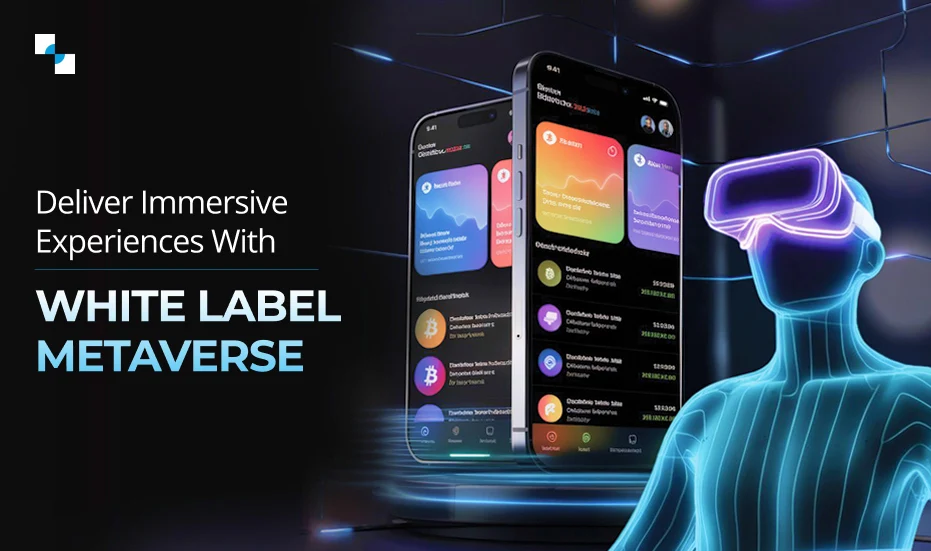
White label metaverse refers to the creation of virtual platforms that businesses can deploy, customize, and operate in their own way. This includes platforms that provide features such as 3D immersive environments, gamification, blockchain technology, NFT marketplaces, and multi-device engagement, among others.
The benefits are speed, flexibility, and cost. Companies can leverage the technology of a white label metaverse development company to access the capabilities provided by working with advanced technologies in a metaverse without the burden of developing one over the course of years of development and testing.
This model allows companies to own digital ecosystems that are tailor-made to their vision while integrating with and enhancing existing business models, as well as existing touchpoints for customers.
Explore Why White Label Gaming Solutions Are the Future of Game Development
Why White Label Metaverse is Becoming Vital for Businesses
Immersive technologies and digital-first engagement are transforming the metaverse into a resource for enterprises. Here are the reasons:
1. Speed-to-market
Businesses have little time to wait for months or years while they create a metaverse platform with programmers. Utilizing white-label solutions reduces timelines from months to weeks for a market-ready product, which can deliver new experiences with an early market advantage.
2. Complete Customization
Brands can create and customize everything from branded virtual spaces to customized interactive avatars, thereby removing barriers in the consistency between real-world and digital ecosystems.
3. Infrastructure with Scale and Cost Savings
The resources required to build an enterprise proprietary metaverse platform need to be limited. White label developments allow businesses to begin with the infrastructure of an enterprise solution with no vertical investment.
4. Scale and Future Growth
More opportunities exist simply when the audience expands. Businesses can start to develop new features to scale the business without disruption to their existing ecosystems. These include NFTs, gamification, or decentralized finance.
Get Your White Label Metaverse Solution From the Experts
Real-World Use Cases: How Brands Are Leveraging White Label Metaverse
The use cases for white-label metaverse platforms are numerous. Major industry players are already utilizing them to create better engagement, collaboration, and revenue.
1. Virtual Retail and E-commerce
Retailers are building immersive shopping malls where buyers can browse realistic 3D stores, virtually try on fashion with avatars, and pay digitally with e-wallets. For example, fashion brands are using metaverse spaces to host virtual runway shows that can reach audiences worldwide in ways physical events cannot.
2. Corporate training and collaboration
Enterprises are investing in white-label metaverse environments for onboarding new employees, workshops, and even cross-border collaboration with team members. Rather than traditional video calls, staff can interact and participate together in immersive environments, allowing for greater knowledge retention.
3. Events and entertainment
Brands are using the metaverse to host large events, like concerts and trade shows. Unlike traditional formats, these events allow for unlimited participation, flexible configurations of stage set-ups and NFT-based ticketing systems also offer alternative revenue strategies.
4. Real estate and architecture
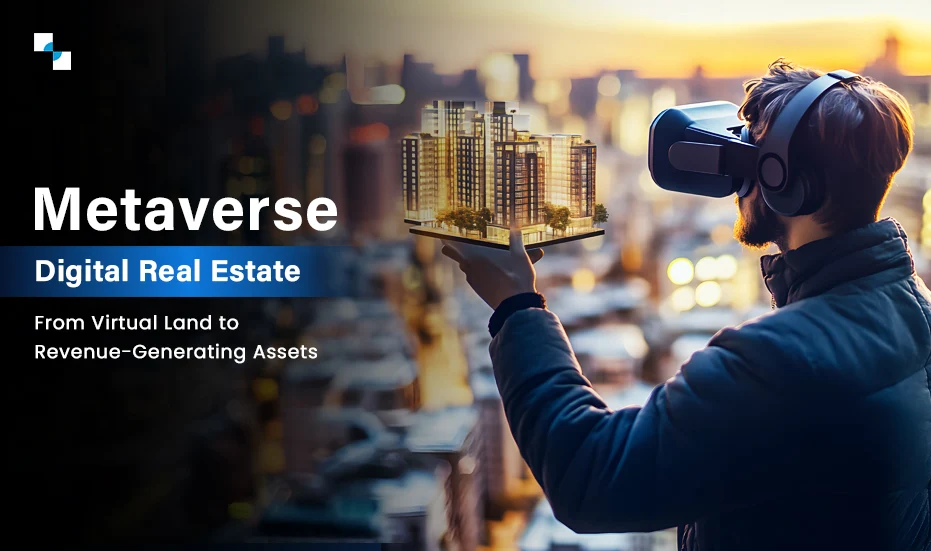
Property developers are using immersive 3D walkthroughs to promote and showcase new real estate projects. Potential buyers can walkthrough apartments, offices and villas without having to make an individual trip to personally view the location.
Core Features That Enable Immersive Brand Experiences
White-label metaverse platforms are built with robust features designed to keep users engaged:
- 3D Avatars & Customization – Users can design avatars to represent themselves, enhancing personal connection.
- Blockchain and NFT Integration – Digital ownership of collectibles, in-game assets, and branded merchandise becomes possible.
- Secure Transactions – Blockchain-powered payments and identity verification ensure trust and transparency.
- AI-Powered Interactions – Virtual assistants and chatbots enhance user navigation and engagement.
- Cross-Platform Compatibility – Whether on VR headsets, PCs, or mobile devices, users enjoy seamless access.
- Data Analytics – Businesses can analyze user behavior and personalize experiences for higher satisfaction.
The outlook for the metaverse is not fixed – it is constantly changing. Over the coming years, we expect more profound integration of Augmented Reality (AR), Virtual Reality (VR) and Mixed Reality (MR). AI-based personalization will provide hyper-personalized experiences and decentralized economies will redefine ownership, trade and community.
Organizations that invest in white label metaverse development today will be among the first in this digital transition and reap the benefits of improved customer loyalty and explore new revenue models.