



AI Summary
- Blockchain technology is transforming the financial landscape, with staking platforms leading the way.
- Real-time monitoring and analytics are crucial for the success of DeFi staking platforms, ensuring security, performance optimization, user transparency, and data-driven decision-making.
- Key components of real-time monitoring include blockchain data tracking, smart contract audits, node performance monitoring, and user analytics.
- Implementing tools like blockchain explorers, monitoring dashboards, event listeners, smart contract analytics tools, and machine learning models is essential.
- Best practices for real-time monitoring in DeFi staking include layered security, optimized data pipelines, scalability, user-friendly interfaces, and alerts/notifications.
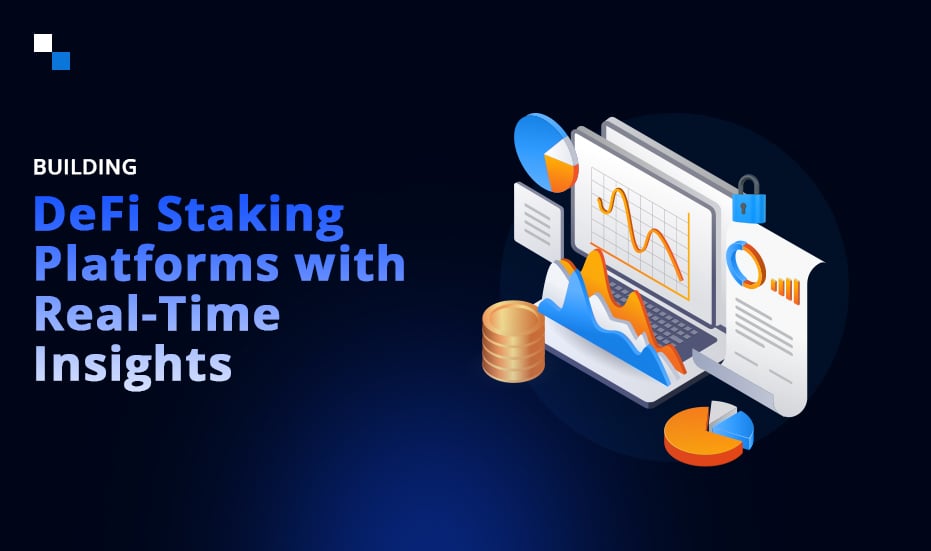
As blockchain technology reshapes the financial spectrum, staking platforms remain at the forefront. These allow individuals to gain rewards through holding assets in smart contracts, contributing to network security and liquidity. However, the success of a DeFi staking platform development initiative relies heavily on robust real-time monitoring and analytics. This ensures platform reliability, enhances user trust, and drives informed decision-making for both developers and users.
Why Real-Time Monitoring and Analytics Matter?
Integrating real-time monitoring and analytics is a matter of great concern for a DeFi staking platform development company due to these prominent reasons:
- Ensuring Platform Security: Real-time data enables instant detection of malicious activities or anomalies in staking patterns, helping prevent potential exploits.
- Optimizing Performance: Constant monitoring of metrics such as transaction latency, node performance, and smart contract executions ensures a seamless user experience.
- User Transparency: Providing users with live data on rewards, locked assets, and platform health builds trust and encourages participation.
- Data-Driven Decision Making: Developers can use analytics to identify trends, optimize tokenomics, and adjust staking mechanisms.
Core Components of Real-Time Monitoring
To ensure comprehensive real-time monitoring for DeFi staking platforms, developers must focus on the following components:
1. Blockchain Data Tracking
Monitoring the blockchain is critical for tracking staking transactions, reward distributions, and smart contract executions. This includes:
- Real-time tracking of staked and unstaked tokens.
- Monitoring wallet activity for staking participants.
- Verifying the execution status of staking and reward distribution smart contracts.
2. Smart Contract Audits and Logs
Smart contracts form the backbone of staking platforms. Real-time logs and audit trails allow a DeFi staking platform company to:
- Detect anomalies or errors in contract execution.
- Monitor gas fees associated with staking operations.
- Identify potential vulnerabilities for timely remediation.
3. Node Performance Monitoring
Nodes facilitate blockchain communication and are vital for staking platforms. Shared or dedicated nodes must be continuously monitored for:
- Uptime and latency.
- Transaction propagation times.
- Synchronization with the blockchain network.
4. User Analytics
Analyzing user behavior is crucial for platform growth. Real-time analytics provide insights into:
- Active staking users and their engagement patterns.
- Popular staking pools and reward preferences.
- Trends in asset locking and withdrawal activities.
Tools and Technologies for Real-Time Monitoring
Implementing real-time monitoring requires a robust technology stack. Here are some tools and frameworks suitable for DeFi staking platform development:
1. Blockchain Explorers and APIs
Blockchain explorers like Etherscan or APIs such as Alchemy and Infura enable developers to query real-time blockchain data. Custom APIs can also be developed for advanced tracking tailored to platform needs.
2. Monitoring Dashboards
Dashboards provide a comprehensive view of platform metrics, including staking pools, rewards distribution, and system health. Tools like Grafana and Kibana can integrate seamlessly with blockchain data sources for visualization.
3. Event Listeners
Event listeners detect on-chain events related to staking. For example, a Web3.js or ethers.js implementation can alert developers about staking deposits or withdrawals, enabling instant response to critical activities.
4. Smart Contract Analytics Tools
Tools such as Tenderly or OpenZeppelin Defender allow DeFi staking platform developers to monitor contract states, simulate transactions, and analyze execution details for real-time debugging.
5. Machine Learning Models
Advanced analytics can benefit from machine learning algorithms to detect unusual patterns, predict user behavior, and optimize staking rewards dynamically.

Best Practices for Real-Time Monitoring in DeFi Staking
To ensure effective monitoring and analytics, developers should adhere to the following best practices:
1. Implement Layered Security
Layered security measures, including smart contract audits, node integrity checks, and network-level monitoring, ensure a secure staking environment.
2. Optimize Data Pipelines
Efficient data pipelines that aggregate, process, and store blockchain data in real time enable quick insights without significant delays.
3. Ensure Scalability
The monitoring infrastructure must scale with platform growth, accommodating increased user activity and staking volumes seamlessly.
4. Focus on User-Friendly Interfaces
Dashboards and analytics tools should present data in a clear, user-centric format to enable users and developers to understand platform performance easily.
5. Enable Alerts and Notifications
Real-time alerts for anomalies, security threats, or performance bottlenecks ensure rapid response to critical issues.
The Role of Analytics in Enhancing User Experience
Real-time analytics benefits not only developers but also significantly improves the user experience on a staking platform:
- Transparent Rewards Tracking: Users can monitor their staking rewards, APYs, and token distributions in real time.
- Pool Insights: Analytics on staking pool performance help users make informed decisions about where to allocate their assets.
- Security Assurance: Visibility into platform health and security builds user confidence and loyalty.
Challenges in Real-Time Monitoring for DeFi Staking
Despite its advantages, implementing real-time monitoring in DeFi staking platform development poses certain challenges:
- Data Overload: Processing large volumes of on-chain data requires robust infrastructure and optimized algorithms.
- Latency Issues: Achieving low-latency updates in decentralized networks can be technically demanding.
- Scalability: Ensuring monitoring systems scale effectively as user bases grow is a persistent challenge.
- Security Threats: Real-time systems must guard against data manipulation or unauthorized access.
Overcoming Challenges
To address these challenges, a DeFi staking platform company can adopt the following strategies:
- Leverage Decentralized Infrastructure: Utilize decentralized storage and computation solutions, such as IPFS and The Graph, to handle large datasets efficiently.
- Optimize APIs: Design lightweight APIs with caching mechanisms to reduce latency.
- Adopt Modular Architecture: Modular designs allow easy scalability and integration of new features as the platform evolves.
- Focus on Redundancy: Implement redundant systems to prevent data loss or downtime during critical operations.
Conclusion
Real-time monitoring and analytics are critical to ensuring the success and reliability of any DeFi staking platform. They ensure the security of the system and enhance transparency, thus creating actionable insights for developers and users. Advanced tools and best practices will definitely help DeFi staking platform development teams generate robust systems that meet user expectations and help in growing decentralized finance further.
Antier excels at providing cutting-edge solutions for ensuring the success of your DeFi staking platform by enabling robust real-time monitoring, advanced analytics, and seamless user experiences. With deep expertise in blockchain development, security, and tokenomics, our team empowers businesses to launch scalable, secure, and user-centric platforms, solidifying its reputation as a leading DeFi staking platform development company.
Why not connect with us and let us provide innovative solutions to enhance the performance and security of your platform?