



AI Summary
- The Web3 gaming industry is experiencing a transformative shift towards decentralized ecosystems, where players own digital assets, participate in token economies, and engage with blockchain-powered infrastructures.
- This evolution requires specialized expertise in blockchain architecture, smart contracts, token systems, and NFT asset infrastructure.
- Enterprises are increasingly hiring Web3 game developers to build scalable decentralized gaming platforms that support player ownership and secure on-chain interactions.
- Key components of Web3 gaming infrastructure include blockchain layers, smart contract systems, game logic, digital asset marketplaces, and wallet integrations.
- Successful Web3 gaming platforms balance decentralization with gameplay performance and engage players in interactive, community-driven ecosystems.
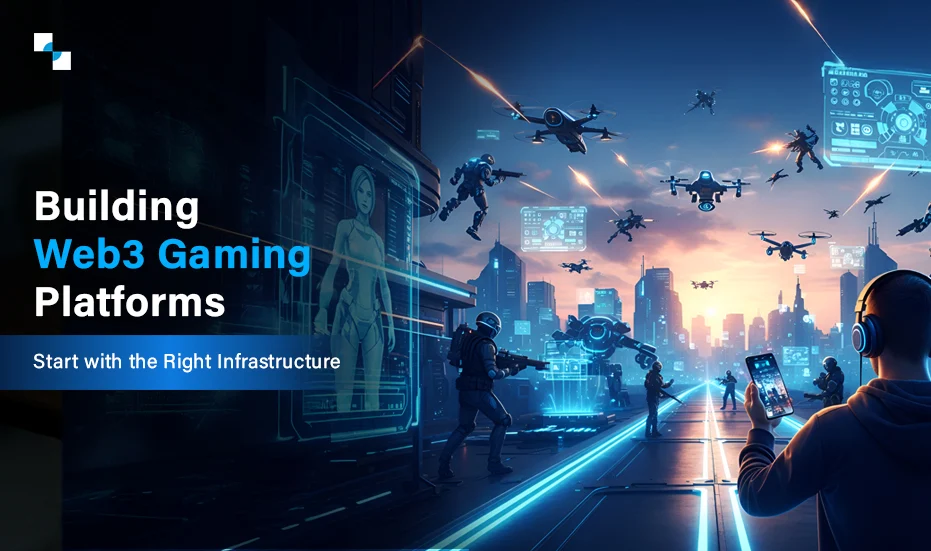
The Web3 gaming industry is evolving far beyond simple blockchain-based games. Today, successful projects operate more like digital ecosystems than standalone titles. They include token economies, NFT assets, decentralized marketplaces, player-owned economies, and blockchain-powered infrastructure. This shift has fundamentally changed how games are built.
Instead of just designing gameplay mechanics, developers must now build scalable Web3 gaming infrastructure capable of supporting digital ownership, tokenized economies, and secure on-chain interactions. As a result, enterprises and gaming studios increasingly hire Web3 game developers or partner with specialized Web3 game development companies to build the technical foundation behind modern decentralized games.
Organizations entering the Web3 gaming space require expertise in blockchain architecture, smart contracts, token systems, digital asset marketplaces, and secure backend infrastructure. Without these components, even the most engaging game concept cannot evolve into a sustainable Web3 gaming platform.
It is exactly the reason why many enterprises rely on experienced Web3 gaming infrastructure providers to design, develop, and scale decentralized gaming ecosystems.
The Shift Toward Web3 Gaming Infrastructure
Traditional games operate within centralized environments where the publisher controls in-game assets, economies, and user data. Web3 games introduce a completely different paradigm: player ownership and decentralized economies. In Web3 gaming environments, players can:
- Own digital assets as NFTs
- Trade items on decentralized marketplaces
- Earn tokens through gameplay
- Participate in governance systems
- Interact with blockchain-powered ecosystems
To support these capabilities, developers must build a complex infrastructure that connects game engines, blockchain networks, smart contracts, and digital asset systems. This infrastructure layer is what transforms a game into a Web3 gaming platform.
Building such systems requires specialized expertise and hence enterprises often hire Web3 game development companies that understand how to architect scalable decentralized gaming ecosystems.
Why Enterprises Hire Web3 Game Developers
Building a Web3 gaming platform requires more than traditional game development skills. Developers must combine knowledge of game design, blockchain technology, smart contracts, and decentralized economies. Enterprises typically hire Web3 game developers for several key reasons.
1. Blockchain Architecture Expertise
Web3 games rely on blockchain networks to manage digital ownership and transactions. Developers must design systems that integrate seamlessly with blockchain infrastructure while maintaining gameplay performance.
Popular blockchain networks used in Web3 gaming include Ethereum, Polygon, Avalanche, and other high-performance chains designed for gaming ecosystems.
2. Token Economy Design
One of the most complex components of Web3 gaming is designing sustainable token economies. Tokens often serve as rewards, governance assets, or in-game currencies.
A poorly designed token economy can destabilize gameplay or create inflation within the ecosystem. Experienced Web3 developers help design balanced economies that encourage long-term player engagement.
3. NFT Asset Infrastructure
NFTs enable players to own unique digital assets such as characters, skins, weapons, and land within virtual worlds. Developers must build secure smart contracts that support:
- NFT minting
- Asset ownership verification
- Trading and marketplace integration
- Cross-platform asset interoperability
These systems form the foundation of decentralized gaming ecosystems.
4. Security and Smart Contract Development
Web3 games involve real digital assets and financial transactions, making security a critical concern. Developers must ensure that smart contracts are designed to prevent vulnerabilities such as exploits, unauthorized asset transfers, or manipulation of token economies.
Enterprises often seek a secure Web3 game development provider to ensure that their gaming platform is built with robust blockchain security practices.
Core Components of Web3 Gaming Infrastructure
Modern Web3 games rely on a layered architecture that combines blockchain systems with traditional game engines and cloud infrastructure. A typical Web3 gaming platform infrastructure includes the following components.
1. Blockchain Layer
The blockchain layer manages ownership of digital assets and records transactions across the gaming ecosystem. Functions typically handled at this layer include:
- NFT ownership verification
- Token transactions
- Smart contract execution
- Governance mechanisms
Choosing the right blockchain network is critical for scalability and transaction efficiency.
2. Smart Contract Layer
Smart contracts automate core game mechanics related to digital assets and token interactions. These contracts manage:
- NFT minting and transfers
- Token reward distribution
- Staking systems
- In-game marketplace transactions
Smart contract design directly affects the security and reliability of the gaming platform.
3. Game Logic Layer
This layer handles the actual gameplay experience. Game engines such as Unity or Unreal Engine interact with blockchain infrastructure through APIs and middleware. Developers ensure that blockchain interactions occur seamlessly without disrupting gameplay performance.
4. Digital Asset Marketplace
Web3 gaming platforms often include integrated marketplaces where players can buy, sell, or trade NFT assets. Marketplace infrastructure must support:
- Secure transactions
- Asset listings
- Price discovery
- Cross-wallet compatibility
These marketplaces play a central role in Web3 gaming economies.
5. Wallet and Identity Integration
Players access Web3 games through digital wallets that store their tokens and NFT assets. Developers integrate wallet systems such as:
- MetaMask
- WalletConnect
- Custom wallet infrastructure
Wallet integration ensures that players maintain full ownership of their assets.
Planning to Build a Web3 Gaming Platform?
Web3 Gaming Platform Architecture
Designing a scalable Web3 gaming platform requires careful architecture planning. Developers must balance decentralization with gameplay performance, ensuring that blockchain interactions do not slow down the player experience. A typical Web3 gaming platform architecture includes several interconnected systems:
1. Game Client and Engine Layer
This layer represents the actual game interface where players interact with the virtual world. Game engines such as Unity or Unreal Engine render environments, manage gameplay mechanics, and process player interactions.The client communicates with backend systems and blockchain infrastructure through secure APIs.
2. Middleware and Web3 Integration Layer
Middleware acts as the bridge between the game engine and blockchain infrastructure. It handles communication between gameplay systems and decentralized components. Key responsibilities include:
- Wallet authentication
- Blockchain transaction management
- NFT asset retrieval
- Token balance verification
This layer ensures that blockchain interactions occur seamlessly during gameplay.
3. Smart Contract Layer
Smart contracts automate key game mechanics related to digital assets and token systems. They manage the rules governing NFT minting, asset ownership, marketplace transactions, and reward distribution. Smart contracts ensure transparency and remove the need for centralized control over game economies.
4. Blockchain Network Layer
The blockchain network stores transaction data and asset ownership records. It acts as the decentralized ledger that secures digital assets within the gaming ecosystem. Popular networks used in Web3 gaming include Ethereum, Polygon, Avalanche, and other high-performance blockchain platforms.
5. Backend and Data Services
Even decentralized gaming platforms require backend infrastructure to manage analytics, player profiles, matchmaking systems, and off-chain data storage. Backend services help maintain gameplay performance while blockchain handles asset ownership and transactions.
6. Decentralized Storage Systems
Many Web3 games use decentralized storage solutions to store digital assets such as NFT metadata, artwork, and game data. These systems ensure that assets remain accessible even if centralized servers are unavailable.
Together, these layers form the complete infrastructure required to build and scale Web3 gaming platforms, along with maintaining responsive gameplay while securely managing blockchain transactions. Organizations looking to build Web3 gaming platforms often partner with experienced Web3 game development companies capable of designing and integrating these infrastructure components.
Enterprise Use Cases for Web3 Gaming Platforms
Enterprises across multiple industries are exploring Web3 gaming platforms for various applications.
- Gaming Studios
Game publishers use Web3 infrastructure to create decentralized gaming ecosystems where players own assets and participate in player-driven economies. - Metaverse Platforms
Web3 gaming infrastructure enables metaverse environments where users interact with digital worlds through tokenized assets and decentralized marketplaces. - Brand Engagement Platforms
Brands increasingly use Web3 games to create interactive marketing experiences that reward users with digital collectibles or tokens. - Community-Driven Ecosystems
Blockchain-based games can create community-driven economies where players participate in governance decisions and ecosystem development.
Cost Considerations for Web3 Gaming Infrastructure
The cost of building a Web3 gaming platform depends on several factors, including:
- Blockchain network integration
- Smart contract complexity
- Token economy design
- NFT asset infrastructure
- Multiplayer game mechanics
- Marketplace development
Enterprises planning to build Web3 gaming platforms often start with a core infrastructure layer and expand features as the ecosystem grows.
Choosing the Right Web3 Game Development Company
Web3 gaming platforms involve multiple technical layers and hence selecting the right development partner is critical. When evaluating Web3 development partners, enterprises should consider:
- Blockchain Development Expertise
Developers should have experience building smart contracts and blockchain-based applications. - Game Development Capabilities
The team must understand game engines, gameplay mechanics, and player experience design. - Security and Compliance
Web3 platforms require robust security frameworks to protect digital assets and token systems. - Scalable Infrastructure
The development architecture must support large player communities and evolving gaming ecosystems.
Organizations seeking to hire Web3 game developers often prioritize teams with experience building full Web3 gaming infrastructure rather than isolated blockchain features.
Why Enterprises Partner with Web3 Gaming Infrastructure Providers
Building decentralized gaming ecosystems requires expertise across multiple technical domains. It is exactly the reason why enterprises frequently collaborate with experienced Web3 game development companies capable of delivering end-to-end infrastructure.
As a Web3 gaming infrastructure development partner, Antier helps enterprises design and build scalable gaming ecosystems powered by blockchain technology. Our Web3 game development services include:
- Blockchain gaming architecture
- Smart contract development
- NFT asset infrastructure
- Token economy design
- Marketplace development
- Wallet integration
By combining blockchain expertise with advanced game development capabilities, Antier enables organizations to build secure, scalable Web3 gaming platforms that support long-term digital economies.
Frequently Asked Questions
01. What is the main difference between traditional games and Web3 games?
Traditional games operate in centralized environments controlled by publishers, while Web3 games enable player ownership of digital assets, decentralized economies, and secure interactions through blockchain technology.
02. Why do enterprises hire Web3 game developers?
Enterprises hire Web3 game developers to leverage their specialized expertise in blockchain architecture, smart contracts, and decentralized economies, which are essential for building scalable and sustainable Web3 gaming platforms.
03. What key components are necessary for a successful Web3 gaming ecosystem?
A successful Web3 gaming ecosystem requires digital ownership, tokenized economies, decentralized marketplaces, secure backend infrastructure, and the integration of blockchain technology with game engines.