




AI Summary
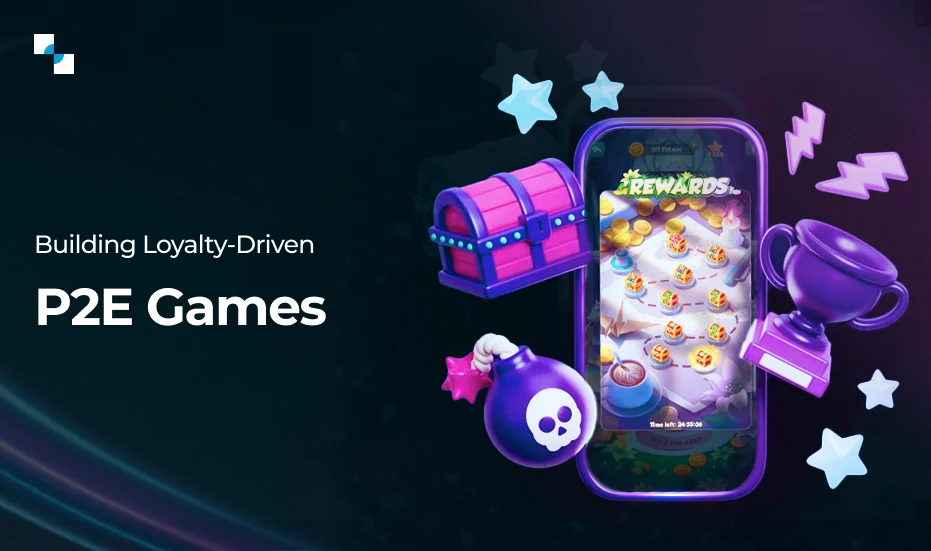
- In the evolving world of play-to-earn (P2E) game development, focusing on building loyalty through thoughtful reward systems is crucial for success.
- Understanding player psychology, including different player personas like investors, gamers, and collectors, is essential for tailoring rewards that excite and engage.
- The blog delves into the core components of high-retention reward systems, emphasizing the importance of balanced fun, earnings, and competition, as well as the value of personalized rewards and sustainable tokenomics.
- Various reward mechanisms, such as time-based rewards, mission-based rewards, and rarity-based NFT rewards, are explored to enhance player engagement.
- The post also discusses the significance of effective reward loops, preventing reward inflation, and gamification strategies like leaderboards and milestone tiered rewards.
In the new and rapidly changing P2E game development space, where rewards are enablers of user engagement, developing mechanisms that mutually build loyalty rather than one-time engagement has a much higher chance of success. As the market continues to grow from a group of early adopters to a wider gamer-audience, understanding what keeps players engaged in a play to earn model goes well beyond providing high valued tokens. There is a mix of psychology, game design, and economically sustainable situations to understand and manage. The following blog will discuss how studios are envisioning a future, and designing win-win systems in reward economies.
Understanding P2E Player Psychology
Traditional games generally convince users to stay engaged through skill mastery and the fun of games. However, once the degree of “earning” begins to come into play in game development and as player motivation shifts accordingly, things get a little more complicated, often playing into a more delayed and less frequent play pattern, although it can also lead to increased short-term engagement but increase chances of quick player churn. Players come into a new ecosystem with a mixture of curiosity to try something new, an expectancy of a profit, and an interest in belonging.
Types of Player Personas
We cannot retain players if we do not know who you are designing for. In play to earn game development, you can categorize player types on a broad continuum among many types into some groups that can help our understanding.
- Investors – focus on token appreciation.
- Gamers – seek entertainment first.
- Collectors – chase NFT rarity.
Each persona requires a tailored reward-approach that delivers excitement, value, and continuity.
Why Retention Matters
Acquisition costs in blockchain gaming are exceedingly high. Without persistent reward loops, players abandon games as soon as ROI flattens. Sustainable P2E game development focuses on lifetime value rather than speculative peaks.
Core Components of a High-Retention Reward System
Tokenomics as the Foundation
Thoughtful tokenomics safeguard the economic integrity of your game. Instead of issuing too many tokens too early, successful play to earn gaming projects tie rewards to performance, milestones, etc.
1. Balancing Fun, Earnings & Competition
Reward design should be supportive of the story/data and gameplay. If your players earn more than they enjoy playing your game it becomes a “job.” The key here is making sure that the balance of dopamine (fun), serotonin (longer-term goals), and adrenaline (competition) is correct.
2. Real vs Perceived Value
The top-grossing P2E game design studios leverage planned scarcity of game rewards and narratives to increase perceived value. Limited-edition NFTs that have utility (access, governance, power-ups) provide more retention than massive airdrop campaigns or mass-produce NFTs.
Types of Reward Mechanisms in P2E Games
1. Time-Based Rewards
Daily log-in bonuses and hourly drops create looping behaviors. Low value, yet frequent rewards can build habits best used in play to earn game design.
2. Mission-Based Rewards
Quests, story, or checkpoints give players a reason to play. Mission-based systems focus progression and create anticipation — key components of retention.
3. Community & Referral Rewards
Boost viral loops by empowering users with NFTs or tokens for friends they refer and for team missions. Human nature is to compete and to collaborate, resulting in a proven retention multiplier across all P2E game development projects.
4. Rarity-Based NFT Rewards
NFTs that come with varying rarity provide a similar experience to real life lottery. Its exciting, providing a greater chance for repeat experiences. True ownership fosters emotional engagement by making people feel attached to something.
5. Mystery & Seasonal Rewards
Surprise chests and seasonal drops spark excitement and urgency. In play to earn game development, timed exclusivity often triggers the best player activity spikes.
Start Engineering Your P2E Game With the Industry Experts
Designing Effective Reward Loops
1. Trigger → Action → Reward → Repeat
Retention is psychological. Successful games map rewards to mini-challenges that trigger adrenaline — bringing players back for more over a structured loop.
2. Short vs Long-Term Commitment
Quick dopamine hits (small token rewards) are easy wins but retention requires long-term value. Providing pathways for rare NFTs, tournament access or staking privileges encourages continued loyalty.
3. Personalised Rewards
AI-based user segmentation is emerging as a game-changer in P2E game development. Personalising missions and rewards based on player behaviour prevents boredom and maintains engagement momentum.
Sustainability: Preventing Reward Inflation
1. Controlled Supply
Decentralized games often fail because of token inflation. A staggered supply release tied to milestones of performance will stop devaluation, which is necessary for play to earn development.
2. Avoiding Earn-and-Dump Players
To retain value-driven users, build staking and in-game spend use cases that offer players valuable sinks for their earnings, and discourage dumping behavior.
3. Learning From Other Projects
Axie Infinity’s boom and bust early on has shown the space that revenue systems and reward systems will evolve continually. The new class of P2E development projects is recognizing inflation and is deploying multiple tokens, hybrid on-chain and off-chain token balances, and emission schedules.
Building Learning With Gamification
1. Streaks & Leaderboards
Humans love winning. Leaderboards add prestige and encourage players to continue returning.
2. Milestone Tiered Rewards
The Bronze → Silver → Gold → Platinum models create a desire. As you climb the ladder, each new tier unlocks a better perk, a solid retention strategy for play to earn game development.
3. AI-Driven Tweaks
Real-time data allows us to tweak the frequency of rewards, keeping players from getting bored, and over-inflating rewards. The capability to reward dynamically will shape the next generation of smart games.
Assessing the Effectiveness of Reward Design
1. Primary Performance Indicators
Metrics are everything—Daily Active Users (DAU), cohort retention, average game duration, and churn are all key indicators that reward systems are working effectively.
2. A/B Testing
Test everything—frequency, type, volume, and time of delivery. The leading game development teams with successful p2e games are continuing to refine their loops and play test in real time, rather than just relying on the speculative models established at launch for reward systems.
3. Data-Driven Shift
No reward system is made to last forever. A successful pivot based on user behaviour will keep you relevant as audiences mature and change.
Common Design Mistakes
1. Rewarding too much, too early
Too many rewards for new users too quickly can set up defeat. If users lose their motivation because their incentives slow down or diminish, then they may lose interest quickly.
2. Ignoring sustainable economics
If you do not plan for economic sinks (NFTs burning, in-game purchases), the P2E game development projects will rapidly experience unsustainable inflation.
3. Static rewards post-launch
Stagnant rewards are boring. Moving forward with seasonal updates to rewards, increasing difficulty and gamified stakes are required action items.
Future of Reward Mechanisms
1. AI-powered personalization
The capability of machine learning supports a level of accuracy with rewarding based on predictive behaviour that leads to retention.
2. Cross-game interoperability
In the future, NFTs and reward assets will be able to transcend metaverses – creating long-term retention and universal utility.
3. Skill-based rewards
Rather than chance-based models, skill-based gameplay fundamentally relates rewards to user effort – appealing to gamers, not speculators, in play to earn gaming.
Build Reward-Driven P2E Games Players Never Quit
Powerful reward mechanisms are at the forefront of successful P2E game development. The studios that design systems to consider both player psychology and economic sustainability will be the winners in the next chapter of Web3 gaming. Instead of creating viral spikes, studios must design thoughtful loops that turn first-time users into loyal communities.
Antier is a global leader and pioneer in play to earn game development and tokenomics engineering — helping studios, enterprises, and startups develop sustainable, engaging P2E ecosystems. As part of the Antier ecosystem and partner network, you will benefit from over 700 Web3 experts to build retention-first games that inspire players and multiply revenue. From intelligent reward loop architecture and high-speed blockchain deployment to custom NFT design, build your next powerfully engaging P2E game with Antier — and transform your vision into the next great success story.