



AI Summary
- Step into the future of commodity trading with tokenization.
- This blog post dives into the transformation of commodity markets through digital tokens, offering accessibility, liquidity, and transparency.
- Learn how tokenizing commodities like gold and silver can revolutionize trading, making it inclusive for all investors.
- Discover the crucial aspects of building a successful commodities tokenization platform, from choosing the right blockchain to ensuring regulatory compliance.
- Explore the future of tokenized assets and the potential for multi-trillion-dollar markets by 2030.
Commodity markets-gold, oil, natural gas, copper, coffee, wheat- are the backbone of global trade, yet they’re stuck in the past. Slow settlements, layers of middlemen, and high entry barriers keep small investors on the sidelines. A commodities tokenization platform flips this model, turning physical assets into digital tokens that trade fast, transparently, and inclusively. With tokenized commodities, investors can buy a sliver of a gold bar or a fraction of an oil barrel without ever touching the asset. Analysts at BCG and Ripple estimate tokenized assets could hit $18.9 trillion by 2033, with commodities leading the charge.
Building infrastructure for the tokenization of commodities requires solid tech, compliance, and a strategy that draws in users.
This guide is to help entrepreneurs, financial firms, and visionaries ready to get into commodities tokenization services and are looking forward to building the platform.
What Tokenization Means for Commodities?
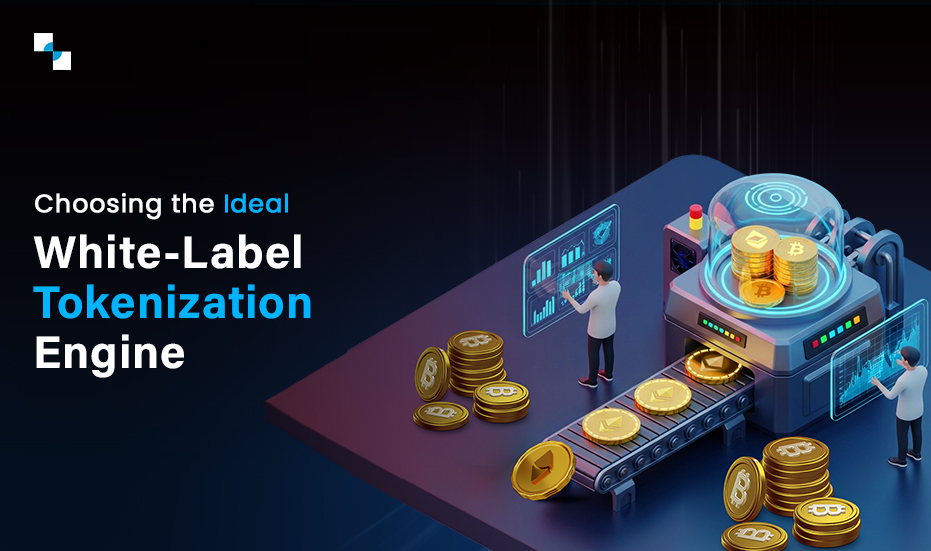
Tokenization of commodities is about taking something tangible, like a ton of soybeans or a silver ingot, and converting it to digital tokens on a blockchain. These commodity-backed tokens represent ownership, letting users trade fractions of assets instantly. Every transaction is recorded on blockchain logs, transparent, tamper-proof, and free from intermediaries.
Take an example of: Digix Gold (DGX), each token is backed by physical gold in a vault, with audits proving it’s real. Or Tether Gold (XAU₮), which does the same with third-party custodians.
Why Should Businesses Choose Commodity Tokenization?
Traditional commodity trading is a slog. Brokers, paperwork, and slow settlements eat time and money. Smaller players often can’t afford to play. Tokenized commodities change that:
- Accessibility: Fractional tokens let anyone invest, from retail traders to institutions.
- Liquidity: Tokens trade round-the-clock, unlike traditional markets with set hours.
- Transparency: Blockchain records are open, auditable, and fraud resistant.
But it’s not flawless. Physical assets need secure storage. The commodity tokenization platform must solve these real-world problems to win users’ confidence. Pick assets with clear custody chains, like precious metals, to start strong.
Choosing the Right Commodities Is Crucial for Tokenization
Not every commodity fits tokenization:
- Gold and silver are stable, storable, and in demand.
- Oil and natural gas have huge markets but trickier logistics.
- Agricultural goods like coffee or wheat appeal to sustainability-focused investors.
- Carbon credits are gaining traction as green finance grows.
Your commodities tokenization platform development company must be able to analyze market demand and custody feasibility before diving in.
Building the Tech: A Platform That Delivers
Choosing the right blockchain
The working of your tokenization platform highly depends upon its blockchain, so choose wisely. Ethereum is battle-tested, with smart contracts that automate token creation, transfers, and redemptions. Solana offers high-speed trades with pennies in costs. Polygon’s layer-2 setup keeps things cheap while leveraging Ethereum’s security.
It is recommended to build a multichain tokenization for flexibility, as a rigid tech stack and impact the asset performance when markets shift.
Link Tokens to Real Assets
Tokens are only as good as the data behind them. Integrate oracles to pull live commodity prices into your blockchain, ensuring tokens reflect market reality. For physical assets, use IoT sensors or RFID tags to track goods in warehouses, proving they exist.
Secure Your Platform
Security is non-negotiable. Integrate the multi-signature wallets to protect funds. Use regular smart contract audits to catch bugs. Make your platform scalable with layer-2 solutions to handle trade spikes without crashing.
From an investor’s perspective, a clean interface matters the most as it leads to higher adoption.
Backend and Infrastructure
Use Node.js or Python backends to manage data and APIs smoothly. Integrate the cloud platforms like AWS or Google Cloud, and scale as your user base grows. Modular designs let you swap components without rebuilding from scratch. Make sure that your platform is capable enough to be operated by a hundred users today and a million tomorrow.
Future-proof your Trading Model with a Secure Commodities Tokenization Platform
Compliance: Building Trust Through Regulation
Regulations play a huge role in platform success
- In the U.S., the 2025 CLARITY Act sorts out whether tokens are securities (SEC) or futures (CFTC).
- Europe’s MiCA framework sets strict digital asset rules, while Singapore’s MAS offers clear guidelines for tokenization.
Each market has its standards; for example, GDPR in Europe demands data privacy.
Start with KYC and AML checks. Use biometric verification to confirm users, meeting global standards. Third-party audits of commodity reserves are a must to keep everything regulated.
Compliance is the platform’s strength
Perform Transparent audits and clear disclosures to draw in institutional investors. Follow regulations, specific to countries, for this work with a legal consulting company from day one to map out compliant markets. Switzerland and the UAE could be good starting points.
A commodities tokenization platform development company with regulatory know-how to overcome such limitations and build credibility.
Staying Ahead of Regulatory Shifts
Regulators are still figuring out tokenized commodities. The SEC and CFTC are pushing for innovation-friendly rules, but changes can come fast. Stay agile, build compliance into your platform’s DNA so you can pivot when laws evolve.
Strategic Planning: From Vision to Victory
Finding Your Market Edge
Your platform needs a niche. Research high-demand commodities with low tokenization penetration. Do a SWOT analysis to spot strengths (like liquidity) and risks (like price volatility). In 2025, the RWA market hit $15.2 billion, showing room for targeted platforms.
Tokenomics and Revenue
Your tokenomics define user behavior. Limited token supplies create scarcity; staking rewards keep users holding. Revenue models vary charge for minting, take trade commissions, or offer premium features like analytics. Connect with suppliers for verified assets and exchanges for liquidity.
Launching and Scaling Smart
Start with an MVP-tokenize one asset, like gold, and test with early users. Use the cloud infrastructure to grow. Choose the community-driven approach for engagement and higher adoption.
Risk Management
Commodity prices swing. Build in hedging tools or a diverse asset pool to deal with it. Cyber risks and regulatory shifts demand constant vigilance. Plan for these, and your platform stays resilient.
The Future: Where Tokenization Is Headed
By 2030, tokenized assets could be a multi-trillion-dollar market. Commodities will be central, with gold, oil, and green assets leading. Emerging tech-AI for risk management, NFTs for unique commodities will open new doors. Collaborating with regulators, custodians, and tech partners will help to stay ahead.
Takeaway
Tokenizing commodities is a chance to redefine markets. A commodities tokenization platform built with robust tech, compliance, and sharp strategy can unlock liquidity and access for millions. Partner with a seasoned commodities tokenization platform development company to nail the details. The market’s ready, the tech’s here, and the demand’s growing. Build now, and you could shape the future of commodity trading.