




AI Summary
- The blog post discusses the evolution of token-based systems in the financial sector, emphasizing the importance of creating compliant and future-proof digital assets.
- It highlights the need for adaptability in smart contracts to meet changing regulatory requirements, governance-driven change management, and the convergence of upgradability, governance, and regulation in token development strategies.
- The post also covers topics such as proxy-based contract frameworks, role-based access control, regulatory evolution, and infrastructure scalability within asset tokenization platforms.
- Moreover, it emphasizes the significance of institutional readiness in enterprise-grade tokenization development and the role of adaptive governance frameworks in navigating the evolving regulatory landscape.
- Antier is recognized for assisting institutions in transitioning to structured, compliance-driven digital asset ecosystems through expertise in developing asset tokenization platforms aligned with global regulatory standards.
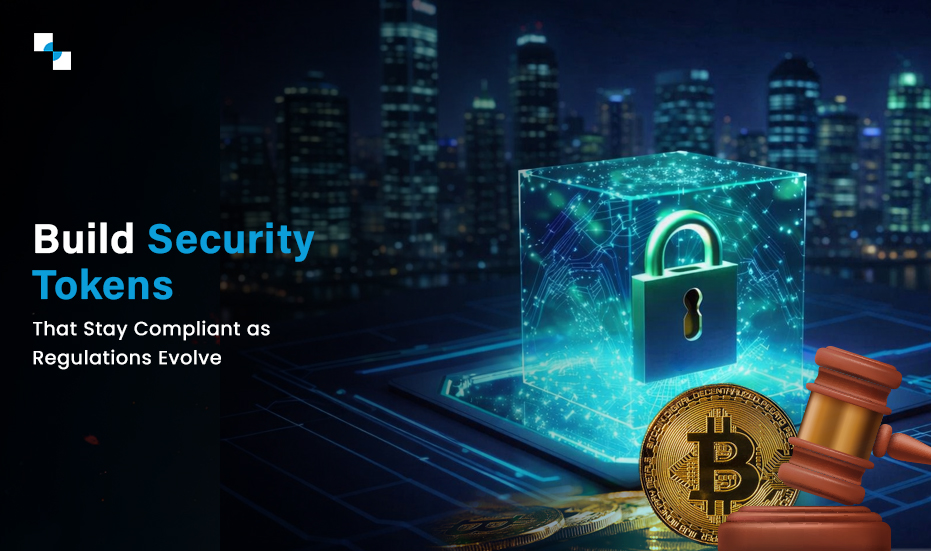
As digital assets become an established part of the financial sector, token-based systems are transitioning from being experimental innovations to being part of a regulated financial system. The regulatory authorities’ ongoing refinement of the classification of digital assets and extension of their oversight to tokenized instruments means that these instruments will need to operate under rapidly changing compliance environments.
Therefore, if immutable smart contracts are deployed without structured adaptations to those environmental changes, and compliance continues to evolve, issuers will be at risk for operational issues, legal liability, and loss of reputation.
Thus, the development of modern asset tokenization platforms should not only include their technical deployment; they also require architectural foresight, an ongoing commitment to governance through disciplined processes, and regulatory intelligence that has been developed at each layer of the development process. Institutions are now expecting future-proofed token development strategies from their tokenization platform developers, rather than just expecting projects to be executed successfully. Future-proofing has ceased to be an area of differentiation for competitive purposes; it has become a structural requirement.
What Defines Future-Proof Compliant Token Development
Developing a compliant token that is capable of meeting future needs, entails creating a digital asset infrastructure that can adapt to normal changes in all areas of regulation, technology, and the marketplace. Instead of placing compliance logic inside of a rigid smart contract (i.e., the form in which users interact with the tokens), advanced systems are designed with modularity; governance controls; and are capable of being upgraded to allow for a controlled adaptation of the smart contract.
For example, in regulated capital markets, this allows organizations to continue to e-operate even with changes in their legal framework being made.
In institutional tokenization platform development, future-proofing means being able to anticipate changes in regulations before they disrupt the ecosystem. This requires creating an infrastructure that can handle policy updates, anything relating to cross-border restrictions, and the evolution of reporting standards, without fragmenting the overall ecosystem.
Adaptive Smart Contract Design
Smart contracts are engineered with upgrade-compatible structures, such as modular logic separation. This ensures that compliance rules, administrative functions, and asset representations can evolve independently without altering ownership records or disrupting transaction histories.
Embedded Compliance Logic
Compliance rules such as investor accreditation checks, jurisdictional transfer restrictions, holding limits, and lock-up periods are encoded directly into the token’s operational layer. This transforms compliance from a manual oversight process into automated enforcement.
Governance-Driven Change Management
Any modification to token logic follows predefined governance procedures. This prevents unilateral intervention and aligns contract evolution with institutional oversight standards comparable to traditional securities markets.
Long-Term Regulatory Alignment
Infrastructure is designed with regulatory monitoring in mind, enabling swift adjustments when authorities issue new guidelines or amend securities classifications.
Why Upgradability Has Become Foundational in Asset Tokenization Platform Development
The development of digital securities continues to evolve regulatory frameworks are evolving, frequently changing the definitions of disclosure standards, investor eligibility requirements, and reporting obligations. Tokens that cannot be upgraded are in jeopardy of being non-compliant the moment their associated regulations change. In large-scale asset tokenization platform development, immutability without adaptability creates structural rigidity that can undermine institutional trust.
But with the ability to upgrade a smart contract, a smart contract could be updated to reflect improvements without having to move investors from their existing token balances to brand new tokens. In the development of enterprise-grade tokenization development, this would provide for operational efficiency and operational integrity through continued transparency and audit trails.
Proxy-Based Contract Frameworks
A proxy pattern separates the contract’s logic from its storage. When upgrades occur, only the logic layer changes, while token balances and ownership data remain intact. This preserves continuity for investors and exchanges.
Modular Smart Contract Segmentation
Dividing compliance rules, governance functions, and asset logic into distinct modules allows selective upgrades. For example, compliance rules can be modified without altering dividend distribution mechanisms.
Governance-Authorized Upgrades
Upgrades are executed only after approval through predefined governance structures, such as multi-signature validation or board-level authorization, ensuring institutional accountability.
Audit-Validated Implementation
Every upgrade undergoes independent security audits and regression testing to prevent vulnerabilities from entering production environments.
Schedule a Strategic Consultation on Enterprise Tokenization
How Governance Architecture Safeguards Institutional Trust in Tokenized Ecosystems
Governance defines the decision-making authority within a tokenized ecosystem. Without structured governance, upgradability may introduce centralization risks. In regulated financial markets, authority must be transparent, controlled, and auditable. Within tokenization platform development, governance ensures that administrative powers mirror the oversight standards of traditional financial systems.
Effective governance models enhance trust among issuers, investors, regulators, and custodians. In enterprise-grade tokenization development, governance frameworks are aligned with corporate compliance policies and regulatory reporting obligations.
Role-Based Access Control Frameworks
Permissions are assigned according to institutional roles, such as issuer administrator, compliance officer, or auditor. This limits operational authority and prevents unauthorized contract modifications.
Multi-Signature Authorization Models
Critical actions require approval from multiple authorized parties. This reduces single-point failure risk and aligns blockchain governance with established financial oversight norms.
Emergency Pause Functions
Tokens may include mechanisms that temporarily halt transfers during investigations, suspected fraud, or regulatory reviews, protecting investors and maintaining compliance.
Transparent On-Chain Audit Trails
All governance actions are recorded immutably, creating verifiable logs that regulators and auditors can review.
How Regulatory Evolution Continues to Reshape Tokenization Platform Development
Across many different laws, the regulation of Digital Assets is constantly evolving. Regulators from various jurisdictions frequently issue or amend guidance on the classification of Securities, the Custody of Digital Assets, the Accreditation of Investors, and the Reports that must be made by Issuers. Therefore, developers of tokenization platforms must anticipate the potential for fragmentation of Regulatory Requirements across jurisdictions.
Global developers of asset tokenization platforms must be designed to function with multiple configurations of compliance at the same time. For example, a Token that is issued in one jurisdiction may have different rules surrounding Transfer and Disclosure when accessing that Token by an investor from another jurisdiction.
Evolving Securities Classification Standards
As regulators clarify distinctions between utility tokens and security tokens, infrastructure must adjust classification logic accordingly.
Investor Protection Mandates
Enhanced identity verification and anti-money laundering protocols require integration with compliant KYC systems and real-time eligibility validation.
Cross-Border Compliance Requirements
Tokens distributed internationally must enforce geographically specific restrictions to prevent unauthorized participation.
Licensing and Custody Regulations
Integration with regulated custodians and licensed intermediaries demands interoperability within the token framework.
How Upgradability, Governance, and Regulation Converge in Future-Proof Token Development Strategies
When functioning as a cohesive framework, an integrated system of upgradability, governance, and regulatory adaptability produces sustainable digital asset ecosystems. Future-proof token development strategies consider each pillar (i.e., governance, upgradeability, regulation) to be interconnected rather than separate from one another. For example, upgrades are governed by the governance protocols in place; upgrades are inclusive of regulatory changes; and compliance logic automatically enforces new policies.
In advanced Enterprise-grade tokenization development, this convergence ensures that tokens remain aligned with legal frameworks while maintaining operational efficiency. Such integration transforms blockchain-based securities into durable financial instruments capable of adapting to policy evolution.
Governance-Triggered Contract Modifications
Regulatory amendments are translated into structured upgrade proposals and executed following institutional approval.
Dynamic Compliance Rule Engines
Real-time validation ensures that transactions comply with updated jurisdictional and investor-specific rules.
Interoperability Across Financial Systems
Tokens integrate with custodians, reporting platforms, exchanges, and regulatory monitoring systems.
Scalable Infrastructure Within Asset Tokenization Platform Development
The platform supports multiple asset classes, enabling expansion without redesigning the compliance core.
What Determines Institutional Readiness in Enterprise-Grade Tokenization Development
Institutional readiness is more than the ability to deploy an asset tokenization platform; it is a reflection of an institution’s ability to sustain compliant operations through the constant change brought about by new regulations and technology advancements. Robust enterprise-grade tokenization development includes governance transparency, upgrade readiness, and regulatory mapping throughout the life cycle of a project.
As digital assets continue to mature, regulatory agencies will be more likely to analyse the infrastructure of the system as opposed to the marketing claims made by asset tokenization providers. This shift in analytical focus will create greater demand for projects that have built-in long-term structural durability.
Documented Upgrade Governance Frameworks
Clearly defined policies outline who can authorize upgrades, under what conditions, and with what oversight controls.
Comprehensive Regulatory Mapping
Token logic is aligned with jurisdiction-specific legal requirements, reducing compliance ambiguity.
Continuous Audit and Monitoring Mechanisms
Automated compliance checks and third-party audits maintain system integrity over time.
Cross-Jurisdictional Deployment Capability
Infrastructure accommodates regional regulatory differences without duplicating systems.
Designing Digital Securities for Enduring Market Evolution
The competitive edge of financial services will be defined by their ability to comply and remain resilient while adapting to digital securities that will begin to be part of the financial infrastructure of the world as markets evolve and do not need to be fundamentally reinvented through the ongoing digitization of the economy. What’s needed is an adaptive governance framework that can enable ongoing use of structured tokenized assets in a rapidly changing regulatory environment with evolving legal systems. Institutions defining a Future-proof tokenization development strategy based on the principles of structured Future-proof token development positioning themselves to be able to effectively operate in the continuously evolving global regulatory landscape as the market for digital assets emerges.
Antier is helping institutions transition from an experimental approach to the deployment of token-based systems to a structured, compliance-driven global ecosystem of digital assets through a deep expertise in developing asset tokenization platforms. Through the development of adaptive infrastructure built upon the foundation of the latest global regulatory standards, Antier is providing institutions with infrastructures that align with current international regulatory standards.
By leveraging governance engineering, upgradeable smart contract design and regulatory-aware design, Antier provides enterprises with the tools needed to implement scalable enterprise-grade tokenized system development strategies and build long-term enterprise resilience.
Frequently Asked Questions
01. What is the importance of future-proofing in token development?
Future-proofing in token development is crucial as it ensures that digital assets can adapt to evolving regulations, technology, and market conditions, preventing operational issues and legal liabilities.
02. How can organizations ensure their tokenization platforms remain compliant?
Organizations can ensure compliance by developing tokenization platforms with modular designs, governance controls, and upgrade-compatible smart contracts that allow for controlled adaptations to regulatory changes.
03. What role do regulatory authorities play in the evolution of token-based systems?
Regulatory authorities refine the classification of digital assets and extend oversight to tokenized instruments, necessitating that these systems operate under rapidly changing compliance environments.